


Introduction
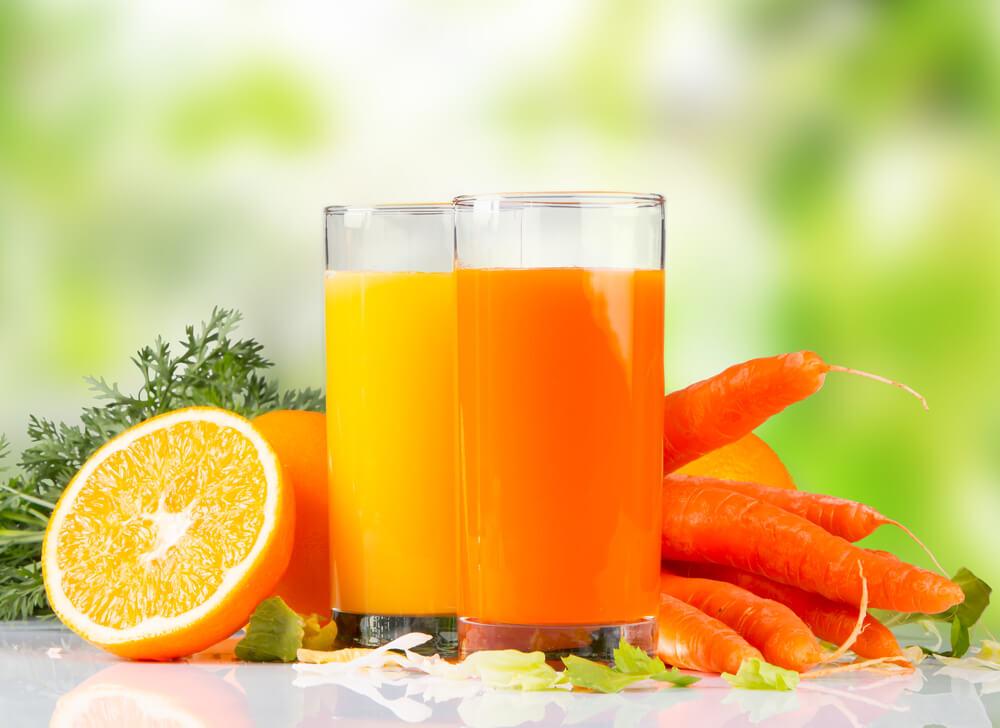
Carrot and orange juice is one of the most popular homemade juice combinations and for good reason. This vibrant drink combines the earthy sweetness of carrots with the refreshing citrus flavor of oranges, creating a nutrient-rich beverage packed with vitamins, minerals, and antioxidants.
But what actually happens to your body when you make carrot and orange juice a regular part of your diet? While no single drink is a miracle cure, consistently enjoying this nutritious juice can support several aspects of your health when combined with a balanced diet and healthy lifestyle.
In this article, we'll explore the science-backed benefits, potential downsides, and the best way to enjoy carrot and orange juice.
Table of contents [Show]
- Nutritional Profile of Carrot and Orange Juice
-
What Happens to Your Body When You Drink Carrot and Orange Juice Regularly?
- 1. Your Immune System Gets Extra Support
- 2. Your Eyes May Stay Healthier
- 3. Your Skin May Look Healthier
- 4. Your Heart Benefits
- 5. You Increase Your Antioxidant Intake
- 6. Your Digestive Health May Improve
- 7. Your Body Gets an Energy Boost
- 8. You May Support Healthy Blood Pressure
- 9. Your Body Receives More Vitamin A
- 10. You May Reduce Your Intake of Sugary Drinks
- Are There Any Downsides?
- High Natural Sugar
- Less Fiber
- Excess Vitamin A Precursors
- Tooth Enamel
- Who Should Be Careful?
- Tips for Making Healthier Carrot and Orange Juice
- Simple Homemade Carrot and Orange Juice Recipe
- Frequently Asked Questions
- Final Thoughts
Nutritional Profile of Carrot and Orange Juice
A freshly prepared serving made from approximately two medium carrots and one medium orange provides:
- Vitamin A (from beta-carotene)
- Vitamin C
- Potassium
- Folate
- Dietary antioxidants
- Natural sugars
- Small amounts of fiber (more if blended rather than strained)
These nutrients work together to nourish your body in multiple ways.
What Happens to Your Body When You Drink Carrot and Orange Juice Regularly?
1. Your Immune System Gets Extra Support
Both carrots and oranges are loaded with immune-supporting nutrients.
Oranges are famous for their high vitamin C content, which helps support the immune system by promoting the production and function of white blood cells. Carrots provide beta-carotene, which the body converts into vitamin A—a nutrient essential for maintaining healthy skin and mucous membranes that act as the body's first line of defense against infections.
Regular consumption may help your immune system function more effectively, especially when paired with a nutritious diet.
2. Your Eyes May Stay Healthier
Carrots have long been associated with good vision, and there is truth behind this claim.
Beta-carotene converts to vitamin A, which is crucial for:
- Night vision
- Healthy corneas
- Preventing vitamin A deficiency
- Supporting overall eye health
The vitamin C in oranges also helps protect eye tissues from oxidative stress, potentially reducing age-related damage.
3. Your Skin May Look Healthier
The nutrients in carrot and orange juice contribute to healthier skin.
Vitamin C supports collagen production, helping maintain skin elasticity and aiding wound healing.
Meanwhile, beta-carotene acts as an antioxidant, helping protect skin cells from damage caused by free radicals and excessive sun exposure.
Over time, regular consumption may contribute to:
- Brighter-looking skin
- Improved skin texture
- Reduced oxidative stress
Remember, healthy skin also depends on hydration, sleep, and sun protection.
4. Your Heart Benefits
This juice contains nutrients that support cardiovascular health.
Potassium helps regulate blood pressure by balancing sodium levels in the body.
The antioxidants found in carrots and oranges may help reduce inflammation and oxidative stress, both of which contribute to heart disease.
Replacing sugary soft drinks with fresh carrot and orange juice can also support healthier dietary habits.
5. You Increase Your Antioxidant Intake
Every day, your body produces free radicals during normal metabolism. Environmental pollution, smoking, and stress can increase them further.
Carrots provide carotenoids, while oranges offer vitamin C and flavonoids. These antioxidants help neutralize free radicals, reducing oxidative stress that contributes to aging and chronic diseases.
6. Your Digestive Health May Improve
Fresh carrot and orange juice contains water and some dietary fiber—especially if you blend rather than strain it.
The juice may help:
- Promote hydration
- Support regular bowel movements
- Encourage healthy digestion
However, whole fruits and vegetables remain better sources of fiber than juice alone.
7. Your Body Gets an Energy Boost
The natural sugars in oranges provide quick energy, while carrots offer complex carbohydrates and nutrients that help sustain energy levels.
Unlike energy drinks loaded with caffeine and added sugars, homemade carrot and orange juice provides vitamins alongside its natural carbohydrates.
It can be an excellent mid-morning snack or post-workout refreshment.
8. You May Support Healthy Blood Pressure
Oranges and carrots both contain potassium, an important mineral that helps regulate blood pressure.
Adequate potassium intake may:
- Relax blood vessel walls
- Support normal heart rhythm
- Balance sodium intake
People with kidney disease should consult a healthcare provider before significantly increasing potassium-rich foods.
9. Your Body Receives More Vitamin A
Vitamin A plays essential roles in:
- Immune function
- Vision
- Cell growth
- Reproduction
- Organ health
Since carrots are exceptionally rich in beta-carotene, drinking the juice regularly can help meet your daily vitamin A needs.
10. You May Reduce Your Intake of Sugary Drinks
If carrot and orange juice replaces soda, sweetened fruit drinks, or energy drinks, it can reduce your intake of added sugars and artificial ingredients.
This simple swap can support:
- Better overall nutrition
- Improved hydration
- Healthier eating habits
Are There Any Downsides?
Although healthy, carrot and orange juice should be consumed in moderation.
Possible drawbacks include:
High Natural Sugar
Even without added sugar, fruit juice contains natural sugars that can raise blood sugar more quickly than whole fruits.
Less Fiber
Straining juice removes much of the beneficial fiber that supports digestive health and blood sugar control.
Excess Vitamin A Precursors
Large amounts of carrot juice over long periods may cause carotenemia—a harmless condition where the skin develops a yellow-orange tint due to excess beta-carotene.
Tooth Enamel
Orange juice is acidic, which may contribute to tooth enamel erosion if consumed frequently. Drinking through a straw and rinsing your mouth with water afterward may help.
Who Should Be Careful?
Regular carrot and orange juice may not be suitable for everyone.
People who should consult a healthcare professional include:
- Individuals with diabetes
- People with kidney disease
- Those following potassium-restricted diets
- Anyone with citrus allergies
Tips for Making Healthier Carrot and Orange Juice
To maximize the benefits:
- Use fresh carrots and oranges.
- Avoid adding refined sugar.
- Blend instead of straining to retain more fiber.
- Drink immediately after preparation for the best nutrient retention.
- Pair the juice with a balanced meal rather than relying on it as a meal replacement.
- Limit servings to about one glass (200–250 ml) per day unless advised otherwise by a healthcare professional.
Simple Homemade Carrot and Orange Juice Recipe
Ingredients
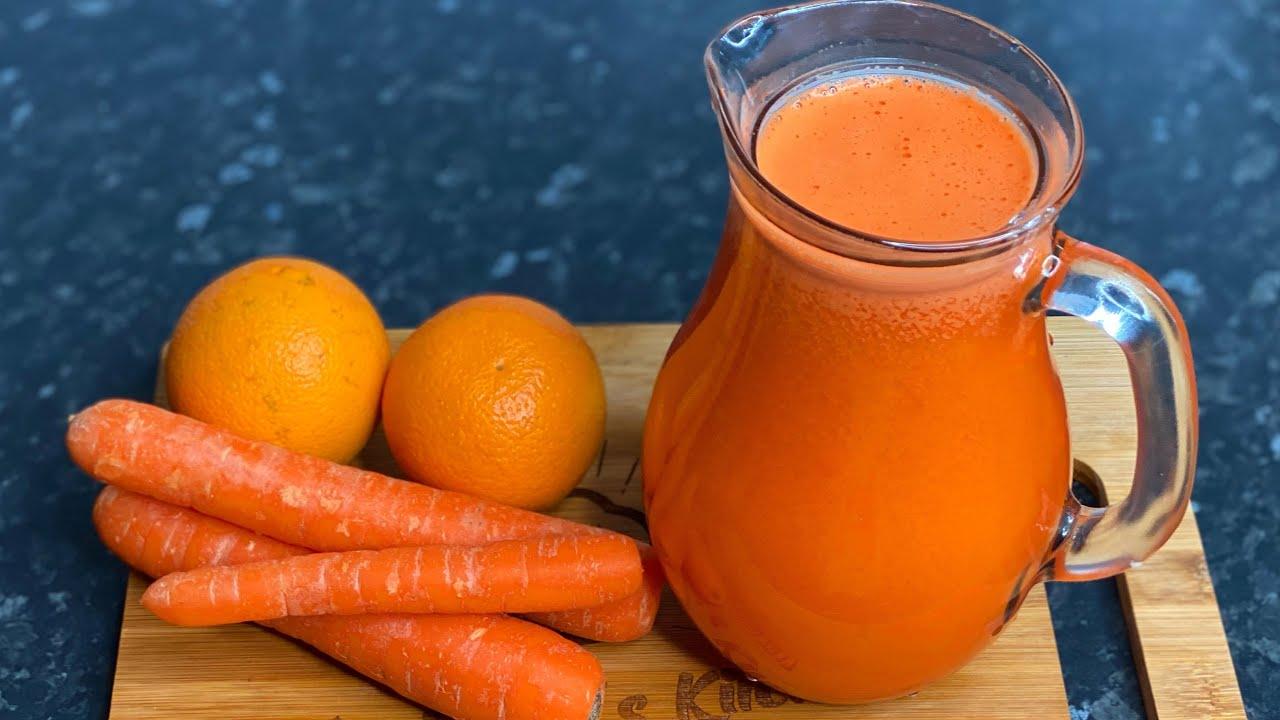
- 2 medium carrots
- 1 large orange
- ½ cup cold water (optional)
- Small piece of fresh ginger (optional)
- Ice cubes (optional)
Directions
- Wash and peel the carrots if desired.
- Peel the orange and remove seeds.
- Chop the carrots into small pieces.
- Blend or juice the carrots and orange together.
- Add water if needed for consistency.
- Serve immediately.
Frequently Asked Questions
Is it okay to drink carrot and orange juice every day?
Yes. For most healthy adults, drinking a moderate amount daily can be part of a balanced diet. It's best to limit portions and avoid added sugar.
Can carrot and orange juice help with weight loss?
It is not a weight-loss drink, but it can support weight management when used to replace high-calorie sugary beverages and consumed as part of an overall healthy eating pattern.
Is homemade juice better than store-bought?
Generally, yes. Homemade juice contains no added sugars or preservatives and can retain more nutrients when consumed immediately after preparation.
Can children drink carrot and orange juice?
Yes, in age-appropriate portions. Whole fruits are generally preferred because they contain more fiber.
Should I strain the juice?
Blending without straining retains more fiber, making the drink more filling and beneficial for digestion.
Final Thoughts
Drinking carrot and orange juice regularly can be a delicious way to increase your intake of vitamins, minerals, and antioxidants. From supporting immune function and eye health to promoting healthier skin and heart health, this colorful drink offers numerous nutritional benefits.
However, moderation is key. Because juice contains concentrated natural sugars and less fiber than whole fruits and vegetables, it should complement—not replace—a balanced diet. Pair it with healthy meals, stay active, and enjoy it as one part of an overall healthy lifestyle.
A single glass of fresh carrot and increase your intake of vitamins, minerals, and antioxidants. From supporting immune function and eye health to promoting healthier skin and heart health, this colorful drink offers numerous nutritional benefits.