


Introduction
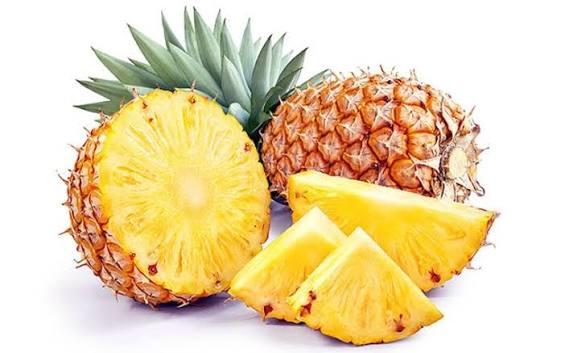
When you think of refreshing tropical fruits, pineapple probably comes to mind. Sweet, juicy, and slightly tangy, pineapple is a favorite across Nigeria and beyond. But beyond its delicious taste lies a powerful secret—pineapple is a natural immunity booster packed with essential nutrients your body needs to stay strong and healthy.
If you’ve been looking for an easy and affordable way to strengthen your immune system, pineapple might be exactly what you need.
Table of contents [Show]
-
How to Add Pineapple to Your Daily Diet
- Tips for Maximum Benefits
- Who Should Be Careful?
- Final Thoughts
-
Frequently Asked Questions (FAQs)
- 1. Is pineapple good for boosting immunity?
- 2. Can I eat pineapple every day?
- 3. Does pineapple help fight infections?
- 4. Is pineapple good for cough and cold?
- 5. Can diabetics eat pineapple?
- 6. What are the side effects of eating too much pineapple?
- 7. Is pineapple better eaten in the morning or night? {
What Makes Pineapple So Powerful?
Pineapple (Ananas comosus) is rich in vitamins, minerals, and plant compounds that work together to protect your body from infections and diseases. It’s especially known for its high vitamin C content and a unique enzyme called bromelain.
These nutrients make pineapple not just a fruit—but a functional food for overall wellness.
Top Immunity-Boosting Benefits of Pineapple
1. Loaded with Vitamin C
Pineapple is an excellent source of vitamin C, a key nutrient for immune health. Vitamin C helps:
- Stimulate the production of white blood cells
- Protect the body against infections
- Speed up recovery from illness
Regular consumption of pineapple can help your body fight off colds, flu, and other infections more effectively.
2. Contains Bromelain – A Powerful Enzyme
One of pineapple’s most unique benefits comes from bromelain, a natural enzyme with strong anti-inflammatory properties.
Bromelain helps:
- Reduce inflammation in the body
- Support faster healing
- Improve digestion and nutrient absorption
This makes pineapple especially beneficial during illness or recovery.
3. Rich in Antioxidants
Pineapple contains antioxidants like flavonoids and phenolic compounds that:
- Fight free radicals
- Reduce oxidative stress
- Strengthen the immune system
These antioxidants help protect your cells from damage and lower the risk of chronic diseases.
4. Supports Gut Health
A strong immune system starts with a healthy gut. Pineapple aids digestion and gut health by:
- Breaking down proteins with bromelain
- Supporting healthy gut bacteria
- Preventing bloating and indigestion
When your digestive system is functioning well, your immune system becomes stronger.
5. Helps Reduce Inflammation
Chronic inflammation can weaken your immune system over time. Pineapple’s anti-inflammatory properties help:
- Ease joint pain
- Reduce swelling
- Support overall body recovery
This is especially helpful for people dealing with infections or long-term health conditions.
6. Keeps You Hydrated
Pineapple has a high water content, which helps:
- Prevent dehydration
- Flush out toxins
- Maintain overall body balance
Proper hydration is essential for optimal immune function.
Other Health Benefits of Pineapple
Beyond boosting immunity, pineapple offers several additional benefits:
- Supports heart health by improving blood circulation
- Promotes healthy skin thanks to vitamin C and antioxidants
- Aids weight loss due to its low calorie and high fiber content
- Improves eye health with essential nutrients
How to Add Pineapple to Your Daily Diet
Pineapple is easy to include in your meals. Here are simple and tasty ideas:
1. Eat It Fresh

Slice and enjoy pineapple as a refreshing snack anytime during the day.
2. Pineapple Juice or Smoothies
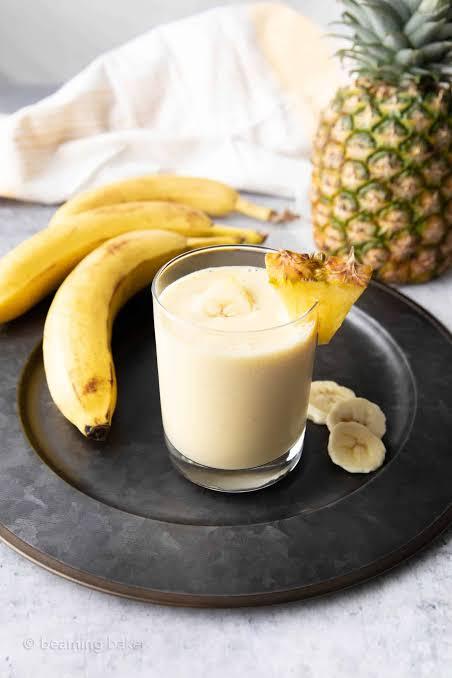
Blend pineapple with ginger, orange, or cucumber for a powerful immunity-boosting drink.
3. Add to Fruit Salads
Combine pineapple with watermelon, pawpaw, and apple for a colorful, nutritious fruit mix.
4. Use in Cooking

Add pineapple chunks to stir-fries, rice dishes, or grilled meals for a sweet twist.
5. Pair with Protein
Combine pineapple with chicken or fish for a balanced and flavorful meal.
Tips for Maximum Benefits
- Eat fresh pineapple instead of canned varieties with added sugar
- Avoid overconsumption to prevent mouth irritation (due to bromelain)
- Combine with other fruits and vegetables for a balanced diet
- Wash and cut properly to maintain hygiene
Who Should Be Careful?
While pineapple is generally safe, some people should take precautions:
- Individuals with acid reflux may need to limit intake
- Those allergic to bromelain should avoid it
- Diabetics should consume in moderation due to natural sugars
Final Thoughts
Pineapple is more than just a tropical delight—it’s a natural immune booster that supports your body in multiple ways. From fighting infections to improving digestion and reducing inflammation, this fruit is a powerhouse of health benefits.
Adding pineapple to your daily routine is a simple, affordable step toward a stronger immune system and better overall health.
So next time you see a ripe pineapple, don’t just think of taste—think of the powerful health benefits packed inside every bite .
Frequently Asked Questions (FAQs)
1. Is pineapple good for boosting immunity?
Yes, pineapple is rich in vitamin C and antioxidants that help strengthen the immune system and fight infections.
2. Can I eat pineapple every day?
Yes, you can eat pineapple daily in moderate amounts. It provides essential nutrients that support overall health.
3. Does pineapple help fight infections?
Yes, thanks to vitamin C and bromelain, pineapple helps the body fight infections and recover faster.
4. Is pineapple good for cough and cold?
Pineapple may help reduce mucus and soothe throat irritation, making it helpful during cough and cold.
5. Can diabetics eat pineapple?
Diabetics can eat pineapple in moderation. Portion control is important due to its natural sugar content.
6. What are the side effects of eating too much pineapple?
Excessive consumption may cause mouth irritation, heartburn, or digestive discomfort.
7. Is pineapple better eaten in the morning or night?
Pineapple can be eaten at any time, but many people prefer it in the morning for a refreshing start to the day.