

Table of contents [Show]
- Introduction
- What Are Jute Leaves (Ewédú)?
- Nutrition Facts of Jute Leaves
- Per 100g (fresh leaves):
- Why Ewédú Is Called a Super Green
- What Ewédú Can Be Used For
- How to Prepare Ewédú (Step-by-Step)
- Tips for Best Results
- Possible Side Effects and Precautions
- Important Disclaimer
- Frequently Asked Questions (FAQ)
- Conclusion
Introduction
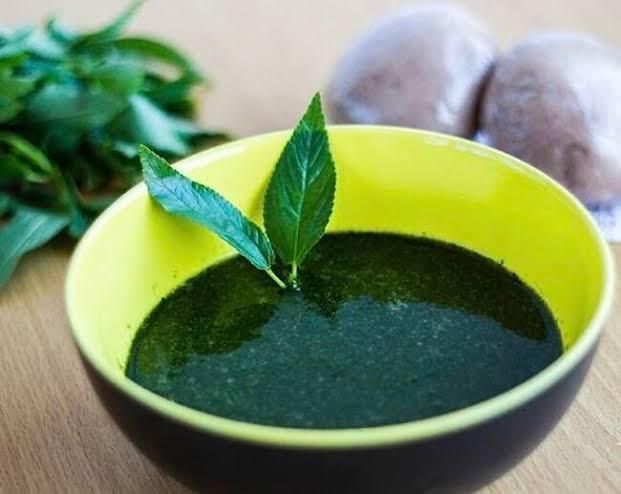
In many Nigerian homes, especially in the Yoruba culture, Ewédú (jute leaves) is more than just a soup—it’s a tradition, a comfort food, and a powerful source of nutrition. Often served with amala and stew, this slimy green leaf is loved for its unique texture and rich taste.
But beyond its culinary appeal, Ewédú is increasingly gaining recognition as a “super green” due to its impressive nutritional profile and health benefits.
So, what exactly makes jute leaves so special?
Let’s explore the nutrition facts, health benefits, uses, and preparation methods that make Ewédú a must-have in your diet.
What Are Jute Leaves (Ewédú)?
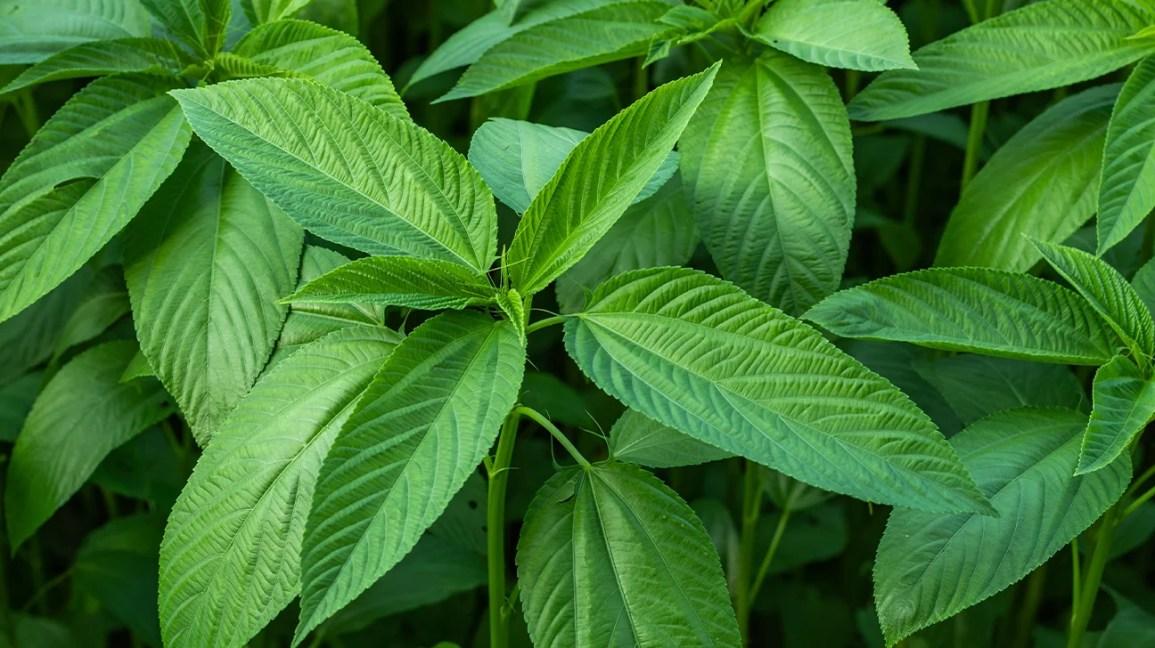
Jute leaves come from the plant Corchorus olitorius, widely grown in Africa, Asia, and the Middle East. In Nigeria, it is commonly known as:
- Ewédú (Yoruba)
- Ayoyo (Hausa)
- Ahihara (Igbo)
The leaves are soft, slightly slippery when cooked, and highly nutritious. They are mostly used to prepare Ewédú soup, but can also be incorporated into other dishes.
Nutrition Facts of Jute Leaves
Jute leaves are low in calories but rich in essential nutrients.
Per 100g (fresh leaves):
- Calories: ~30 kcal
- Protein: 3–4g
- Fiber: High (supports digestion)
- Vitamin A: Excellent for vision and immunity
- Vitamin C: Boosts immune system
- Iron: Supports blood health
- Calcium: Strengthens bones
- Magnesium & Potassium: Support heart and muscle function
- Antioxidants: Fight cell damage
This nutrient combination is why Ewédú is often called a “super green.”
Why Ewédú Is Called a Super Green
1. Rich in Essential Nutrients
Ewédú packs a wide range of vitamins and minerals into a small serving, making it highly nutrient-dense.
2. Supports Strong Immunity
With high levels of vitamins A and C, jute leaves help the body fight infections and maintain a strong immune system.
3. Promotes Healthy Digestion
The natural slimy texture of Ewédú is beneficial for the digestive system. It helps:
- Ease swallowing
- Improve bowel movement
- Prevent constipation
4. Boosts Blood Health
Ewédú is rich in iron, which helps:
- Prevent anemia
- Improve red blood cell production
- Increase energy levels
5. Supports Heart Health
Potassium and antioxidants in jute leaves help:
- Regulate blood pressure
- Improve circulation
- Reduce the risk of heart disease
6. Aids Weight Management
Low in calories but rich in fiber, Ewédú helps you feel full longer, making it a great addition to a weight-conscious diet.
7. Promotes Healthy Skin and Hair
The vitamins and antioxidants in Ewédú support:
- Clear, glowing skin
- Reduced signs of aging
- Stronger hair growth
8. Supports Bone Strength
With calcium and magnesium, Ewédú contributes to strong bones and teeth, especially important for children and older adults.
What Ewédú Can Be Used For
Jute leaves are versatile and can be used in several ways:
1. Traditional Ewédú Soup
The most popular use—served with amala, eba, or pounded yam.
2. Vegetable Add-In
Can be mixed with other vegetables like ugu or spinach for added nutrition.
3. Baby and Elderly Nutrition
Its soft texture makes it easy to swallow, making it ideal for:
- Babies (when properly prepared)
- Elderly individuals
4. Natural Digestive Support
Traditionally used to ease digestion and support gut health.
5. Recovery Meals
Often recommended for people recovering from illness due to its nutrient density.
How to Prepare Ewédú (Step-by-Step)
Ingredients:
- Fresh Ewédú leaves
- Water
- Potash (optional, for softness)
- Salt
- Locust beans (iru) – optional
Method 1: Traditional Preparation
- Pick and wash the leaves thoroughly.
- Boil water in a pot.
- Add the leaves and cook for 5–10 minutes until soft.
- Add a small amount of potash (optional).
- Use a broom whisk (ijabe) or blender to mash the leaves.
- Add salt and iru for flavor.
- Stir well and simmer briefly.
Serve hot with stew and your preferred swallow.
Method 2: Quick Blender Method
- Wash the leaves thoroughly.
- Blend with a small amount of water.
- Pour into a pot and cook for 5–7 minutes.
- Add seasoning and iru.
- Stir and serve.
Tips for Best Results
- Use fresh leaves for maximum nutrients
- Avoid overcooking to preserve vitamins
- Add minimal potash to avoid altering taste
- Pair with protein (meat, fish) for a balanced meal
Possible Side Effects and Precautions
Ewédú is generally safe, but:
- Excess potash can affect taste and digestion
- Overconsumption may cause mild stomach discomfort in some people
- Always wash thoroughly to remove dirt
Important Disclaimer
This article is for informational and educational purposes only and does not replace professional medical advice.
While Ewédú is highly nutritious, it is not a cure for any medical condition.
If you have underlying health issues or dietary restrictions, consult a healthcare professional before making significant dietary changes.
Frequently Asked Questions (FAQ)
1. Is Ewédú good for weight loss?
Yes, it is low in calories and high in fiber, making it suitable for weight management.
2. Can pregnant women eat Ewédú?
Yes, in moderate amounts, as it provides important nutrients like iron and calcium.
3. Is Ewédú good for children?
Yes, its soft texture and nutrients make it great for children.
4. Can Ewédú help with digestion?
Yes, it supports smooth digestion and helps prevent constipation.
5. How often can I eat Ewédú?
You can eat it several times a week as part of a balanced diet.
Conclusion
Jute leaves (Ewédú) truly live up to their reputation as a super green. Rich in vitamins, minerals, and antioxidants, they offer numerous health benefits—from boosting immunity to improving digestion and supporting heart health.
Simple, affordable, and deeply rooted in tradition, Ewédú is a powerful reminder that some of the best superfoods are already part of our local diets.
Adding it to your meals regularly is an easy step toward better health and wellness.