


Table of contents [Show]
Introduction

For many women and girls, menstrual cramps are more than just discomfort—they can interfere with daily activities, school, work, and overall well-being. While over-the-counter medications offer quick relief, not everyone wants to rely on them every month.
This has led many people to explore natural remedies, and one surprisingly effective option is lime.
Rich in vitamin C, antioxidants, and hydration benefits, lime may support the body in managing menstrual discomfort naturally.
In this guide, you’ll learn how lime works, how to use it effectively, and how to combine it with other natural remedies for better results.
Understanding Period Cramps (Dysmenorrhea)
Menstrual cramps occur when the uterus contracts to shed its lining during a period.
These contractions are triggered by prostaglandins, hormone-like substances that:
- Tighten uterine muscles
- Reduce blood flow to the uterus
- Cause pain and inflammation
Common Symptoms:
- Lower abdominal pain
- Back and thigh pain
- Nausea or vomiting
- Headaches
- Fatigue
The goal of natural remedies like lime is to reduce inflammation, relax muscles, and support circulation.
Nutritional Power of Lime
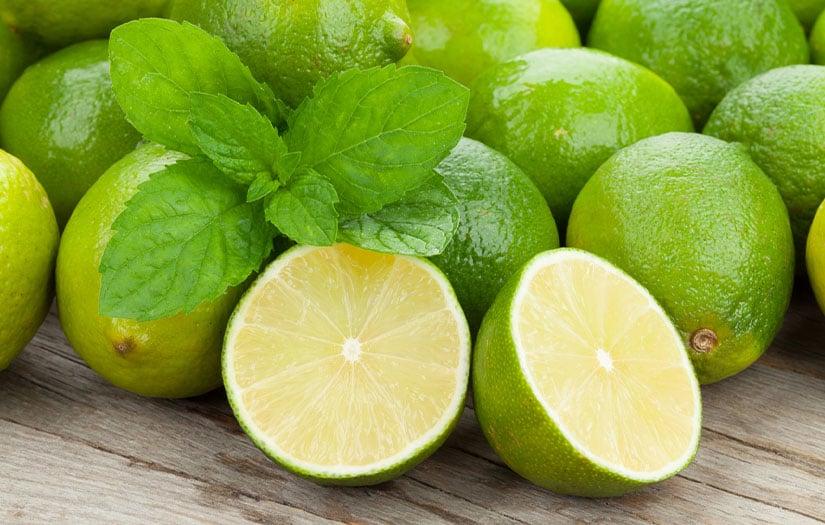
Lime may look small, but it’s packed with beneficial nutrients:
- Vitamin C – boosts immunity and reduces inflammation
- Flavonoids – powerful antioxidants
- Citric acid – supports digestion and detoxification
- Potassium – supports muscle and nerve function
These nutrients work together to support the body during menstruation.
How Lime Helps with Period Cramps
1. Reduces Inflammation
Inflammation is a major cause of menstrual pain. Lime’s vitamin C and antioxidants help calm inflammatory responses in the body.
2. Relaxes Uterine Muscles
While not a direct muscle relaxant, lime supports overall muscle function and hydration, which can reduce cramp intensity.
3. Improves Blood Flow
Better circulation helps reduce the severity of uterine contractions and pain.
4. Reduces Bloating and Discomfort
Lime water can help:
- Flush excess fluids
- Improve digestion
- Reduce bloating
5. Supports Iron Absorption
During menstruation, the body loses blood. Lime helps improve iron absorption from foods, supporting energy levels.
Best Ways to Use Lime for Period Pain
1. Warm Lime Water (Most Effective)
Ingredients:
- 1 cup warm water
- Juice of ½ fresh lime
How to use:
- Drink in the morning
- Repeat in the evening during your period
✔ Helps relax the body
✔ Soothes the stomach
✔ Supports hydration
2. Lime + Honey Drink
Ingredients:
- Warm water
- Lime juice
- 1 teaspoon honey
Benefits:
- Honey adds soothing and anti-inflammatory properties
- Improves taste
Drink 1–2 times daily.
3. Lime + Ginger Tea (Stronger Relief)
Ingredients:
- Fresh ginger
- Lime juice
- Hot water
Why it works:
- Ginger reduces prostaglandins (pain-causing compounds)
- Lime enhances absorption and hydration
This combination is one of the most effective natural remedies.
4. Cold Lime Water (Hydration Option)
Useful during hot weather or if you feel weak:
- Lime
- Water
- Small amount of honey
Helps maintain energy and hydration.
When to Start Using Lime
For best results:
- Start 1–2 days before your period
- Continue throughout your cycle
This helps prepare the body and reduce severity early.
Natural Routine for Period Pain Relief
Combine lime with these habits for better results:
Morning:
- Warm lime water
- Light stretching
Afternoon:
- Healthy meal (include iron-rich foods)
- Stay hydrated
Evening:
- Lime + ginger tea
- Warm compress on abdomen
Throughout the day:
- Rest when needed
- Avoid excessive sugar and caffeine
Foods That Boost Lime’s Effect
Pair lime with:
- Bananas (rich in magnesium)
- Leafy greens (iron-rich)
- Nuts and seeds (healthy fats)
- Whole grains (steady energy)
This creates a balanced, pain-reducing diet.
Who Can Benefit Most?
Lime may help people who:
- Experience mild to moderate cramps
- Prefer natural remedies
- Want to reduce reliance on painkillers
- Experience bloating during periods
When Lime May Not Be Enough
Lime is helpful, but not a replacement for medical care.
Seek professional help if you experience:
- Severe or disabling pain
- Irregular periods
- Heavy bleeding
- Pain that worsens over time
These could indicate conditions like endometriosis or fibroids.
Possible Side Effects and Precautions
While generally safe, consider the following:
- Excess lime may cause stomach irritation
- Can worsen acid reflux
- May affect tooth enamel (rinse mouth after drinking)
Tip: Always dilute lime in water—never drink it undiluted.
Important Disclaimer
This article is for informational and educational purposes only and does not replace professional medical advice.
Natural remedies like lime may help relieve mild symptoms but are not a cure for medical conditions.
If you have severe menstrual pain, underlying health issues, or ongoing concerns, consult a qualified healthcare provider for proper evaluation and treatment.
Frequently Asked Questions (FAQ)
1. Does lime cure period cramps?
No, but it can help reduce the intensity of mild cramps.
2. How long does it take to work?
Some people feel relief within a few hours, while others benefit from consistent use over several cycles.
3. Can I drink lime every day?
Yes, in moderate amounts.
4. Is lime better than lemon?
Both are beneficial; lime is often preferred for its stronger flavor and availability.
5. Can teenagers use lime for cramps?
Yes, it is generally safe when used in moderation.
Conclusion
Lime is a simple, natural remedy that can play a supportive role in relieving menstrual cramps. While it may not replace medical treatments for severe pain, it offers a safe, affordable, and accessible option for everyday relief.
When combined with a healthy lifestyle, proper hydration, and other natural remedies, lime can become part of an effective period care routine.
Sometimes, small natural changes can make a big difference.