

Table of contents [Show]
- Understanding Kids’ Energy Needs
- Quick Energy vs Sustained Energy
- Why Avoid Excess Glucose and Sugary Snacks?
-
Best Natural Alternatives to Glucose for Kids
- 1. Fresh Fruits
- 2. Dates
- 3. Honey (for kids over 1 year)
- 4. Whole Grains
- 5. Nuts and Seeds
- 6. Yogurt and Milk
- 7. Smoothies (Natural Energy Drinks)
- 8. Sweet Potatoes
- 9. Coconut (Fresh or Water)
- 10. Boiled Corn
- 11. Beans (Moi Moi, Akara, or Plain)
- 12. Avocado
- 13. Plantains (Boiled or Roasted)
- 14. Tigernuts
- Sample Daily Energy Snack Plan for Kids
- Tips for Parents
- Possible Side Effects & Considerations
- Homemade Natural Energy Recipes for Kids
- Best Natural Drinks Instead of Glucose
- Foods to Limit (Even for Kids)
- Signs Your Child Needs Better Energy Sources
- Important Disclaimer
- Frequently Asked Questions (FAQ)
- Conclusion
Introduction
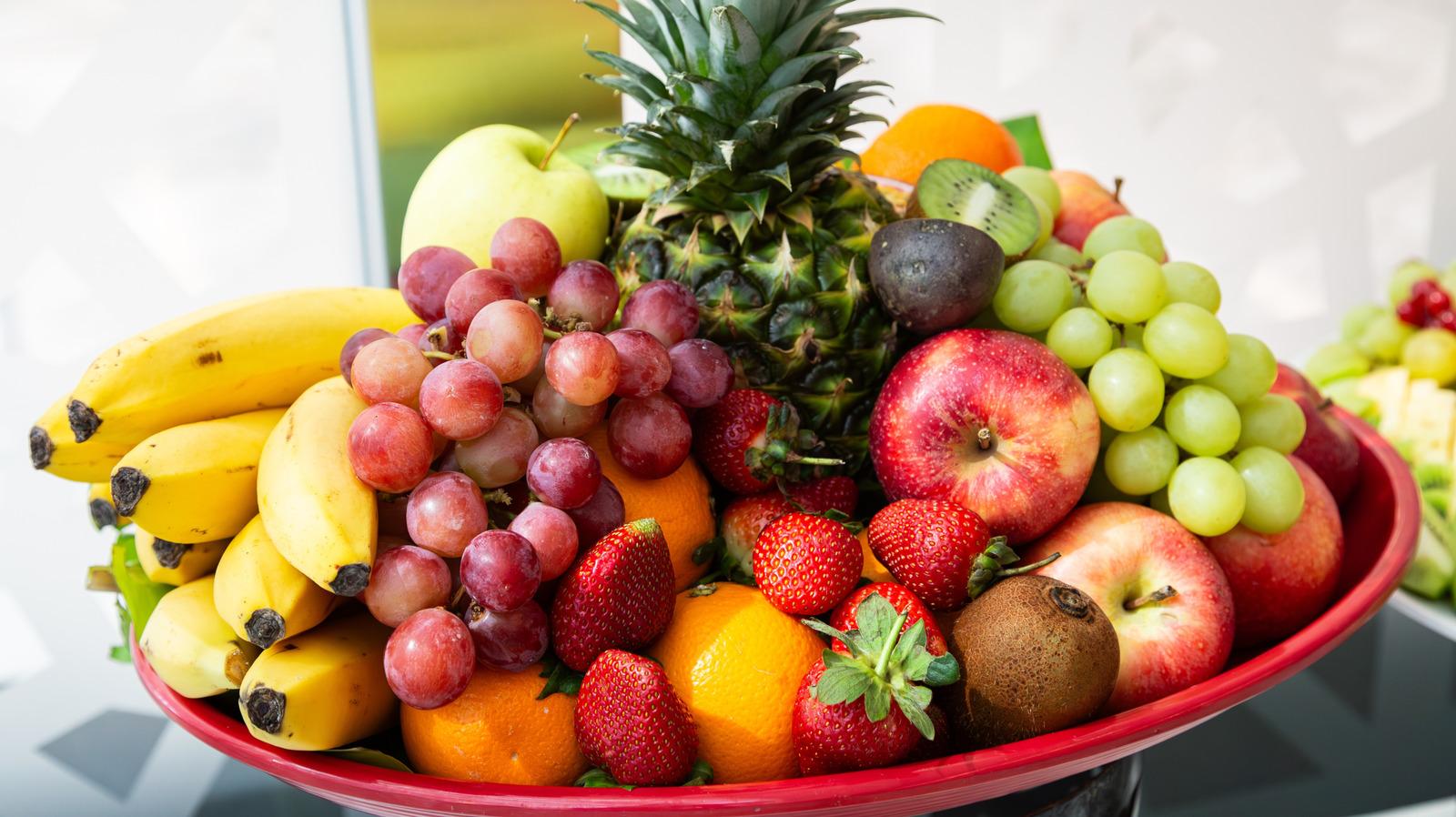
Keeping kids active and energized throughout the day is a top priority for parents. While glucose drinks and sugary snacks may provide a quick energy boost, they often lead to energy crashes and long-term health concerns.
The good news? There are natural, healthier alternatives that provide steady energy, essential nutrients, and better overall support for your child’s growth and development.
In this article, we’ll explore the best natural energy-boosting foods for kids, including fruits, dates, and other wholesome options.
Understanding Kids’ Energy Needs
Children are naturally active, and their bodies require:
- Carbohydrates for quick and sustained energy
- Protein for growth and repair
- Healthy fats for brain development
- Vitamins & minerals for overall health
The key is choosing quality energy sources, not just fast ones.
Quick Energy vs Sustained Energy
| Type of Energy | Source | Effect |
|---|---|---|
| Quick Energy | Glucose drinks, candy | Instant boost → crash |
| Sustained Energy | Fruits, grains, nuts | Steady energy all day |
Best approach: Combine both natural quick and slow energy foods.
Why Avoid Excess Glucose and Sugary Snacks?
Glucose-based drinks and refined sugar products can:
- Cause rapid spikes and crashes in energy
- Increase the risk of tooth decay
- Contribute to unhealthy weight gain
- Reduce appetite for nutritious foods
Children need sustained energy, not just quick sugar highs.
Best Natural Alternatives to Glucose for Kids
1. Fresh Fruits
Fruits are one of the best natural energy sources for kids.
Top options include:
- Bananas (rich in natural sugars and potassium)
- Apples (high in fiber for steady energy release)
- Oranges (hydrating and rich in vitamin C)
- Mangoes (energy-dense and nutritious)
Why they work:
Fruits contain natural sugars + fiber, which provide slow, steady energy instead of sudden spikes.
2. Dates
Dates are a powerful natural sweetener and energy booster.
Benefits:
- Rich in natural glucose, fructose, and sucrose
- High in fiber
- Contains iron and potassium
How to serve:
- Blend into smoothies
- Add to oatmeal
- Use as a natural sweetener in snacks
Dates are especially great for quick energy without processed sugar.
3. Honey (for kids over 1 year)
Honey is a natural alternative to refined sugar.
Benefits:
- Contains antioxidants
- Provides quick but smoother energy release
- Supports immunity
Use it in:
- Warm water
- Tea
- Spread on bread
⚠️ Avoid giving honey to children under 1 year.
4. Whole Grains
Whole grains provide long-lasting energy.
Examples:
- Oats
- Brown rice
- Whole wheat bread
- Corn (pap/ogi when fortified)
Why they work:
They release energy slowly, keeping kids full and active longer.
5. Nuts and Seeds
These are excellent for sustained energy.
Examples:
- Groundnuts (peanuts)
- Almonds
- Sesame seeds
- Pumpkin seeds
Benefits:
- Healthy fats
- Protein
- Long-lasting energy
6. Yogurt and Milk
Dairy products provide both energy and essential nutrients.
Benefits:
- Rich in protein and calcium
- Supports bone growth
- Keeps kids full longer
You can combine yogurt with fruits or dates for a balanced energy snack.
7. Smoothies (Natural Energy Drinks)
Homemade smoothies are a perfect replacement for glucose drinks.
Simple recipe:
- Banana
- Milk or yogurt
- Dates or honey
- Peanut butter (optional)
Blend together for a nutritious energy drink your kids will love.
8. Sweet Potatoes
Sweet potatoes are a great natural carbohydrate source.
Benefits:
- Rich in fiber
- High in vitamin A
- Provides slow energy release
Perfect for meals or snacks.
9. Coconut (Fresh or Water)
A natural hydrator and energy booster.
Benefits:
- Rich in electrolytes
- Keeps kids hydrated
- Light and refreshing
Perfect after playtime or school.
10. Boiled Corn
A common and affordable energy food.
Why it works:
- High in carbohydrates
- Contains fiber for slow digestion
- Keeps kids full and energized
11. Beans (Moi Moi, Akara, or Plain)
Beans are an excellent protein + carb combo.
Benefits:
- Sustained energy
- Supports muscle growth
- Keeps hunger away longer
12. Avocado
Often overlooked but highly nutritious.
Benefits:
- Healthy fats for brain function
- Long-lasting energy
- Great for growing kids
Serve with bread or blend into smoothies.
13. Plantains (Boiled or Roasted)
A fantastic natural energy source.
Benefits:
- Rich in complex carbs
- High in potassium
- Naturally sweet and filling
14. Tigernuts
A popular natural snack in Nigeria.
Benefits:
- Rich in fiber
- Provides steady energy
- Good for digestion
Sample Daily Energy Snack Plan for Kids
- Morning: Oats with banana and honey
- Midday Snack: Apple slices with peanut butter
- After School: Smoothie with dates and milk
- Evening: Boiled sweet potatoes or yogurt
Tips for Parents
- Choose natural over processed whenever possible
- Combine carbs with protein for longer energy
- Avoid sugary drinks as a daily habit
- Keep snacks simple, healthy, and fun
Possible Side Effects & Considerations
Even natural foods should be consumed in moderation:
- Too many dates may cause stomach discomfort
- Nuts may trigger allergies in some children
- Excess fruit intake can still add too much sugar
Always observe how your child reacts to different foods.
Homemade Natural Energy Recipes for Kids
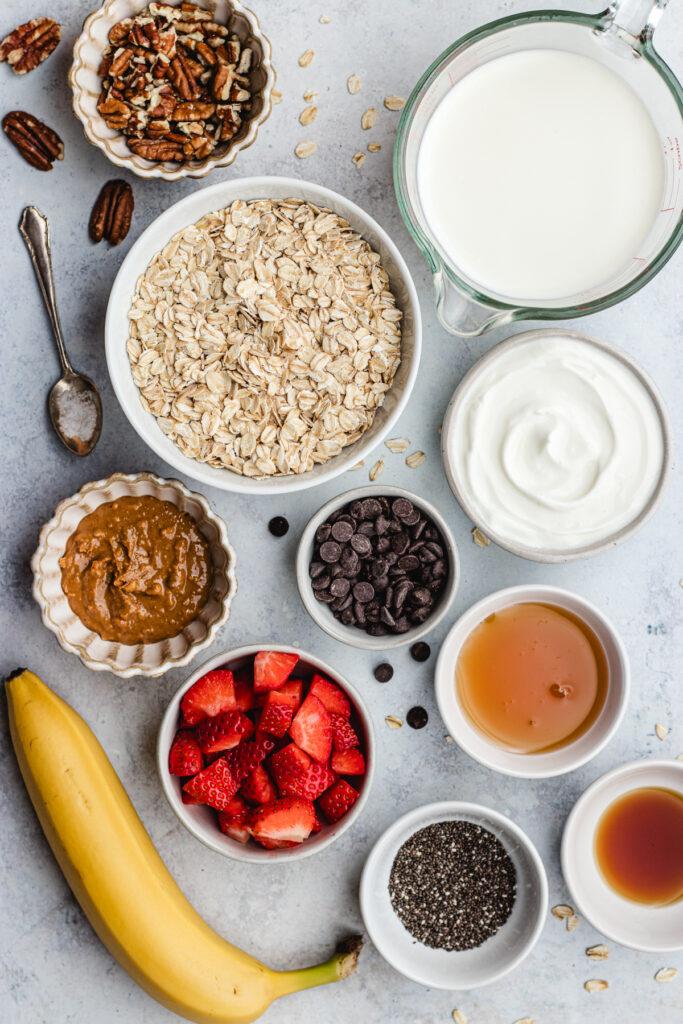
1. Date Energy Balls
Ingredients:
- Dates
- Groundnuts or almonds
- Oats
Method:
Blend and roll into small balls.
✔ No sugar
✔ Easy to carry
✔ Perfect for school snacks
2. Banana Peanut Smoothie
Ingredients:
- Banana
- Milk
- Peanut butter
- Honey (optional)
Blend and serve chilled.
3. Fruit Yogurt Bowl
Ingredients:
- Yogurt
- Sliced fruits
- Honey or dates
A balanced mix of carbs, protein, and healthy fats.
Best Natural Drinks Instead of Glucose
- Fresh fruit juice (no added sugar)
- Coconut water
- Milk
- Smoothies
- Pap (ogi) with milk
These provide hydration + nutrients without harmful sugar spikes.
Foods to Limit (Even for Kids)
While occasional treats are okay, try to reduce:
- Packaged glucose drinks
- Sugary sodas
- Candy and sweets
- Processed snacks
These offer empty calories with little nutritional value.
Signs Your Child Needs Better Energy Sources
Watch out for:
- Frequent tiredness
- Sugar cravings
- Mood swings
- Poor concentration
- Hunger shortly after eating
These may indicate unstable energy levels from poor food choices.
Important Disclaimer
This article is for informational and educational purposes only and should not replace professional medical or nutritional advice.
Every child is different, and dietary needs may vary.
If your child has allergies, medical conditions, or specific nutritional requirements, consult a qualified healthcare provider or pediatric nutritionist before making major dietary changes.
Frequently Asked Questions (FAQ)
1. Are natural sugars better than glucose drinks?
Yes, natural sugars from fruits and whole foods are healthier because they come with fiber and nutrients.
2. Can I replace glucose completely?
In most everyday situations, yes. Natural foods can provide sufficient energy for children.
3. How often should kids eat energy snacks?
2–3 healthy snacks between meals are usually enough.
4. Are smoothies better than packaged juices?
Yes, homemade smoothies are more nutritious and contain no added sugars.
5. What’s the best quick energy snack for kids?
Bananas, dates, or a simple smoothie are excellent quick options.
Conclusion
Natural alternatives to glucose—like fruits, dates, whole grains, and nuts—provide better, longer-lasting energy for kids without the downsides of refined sugar.
By making small, smart changes to your child’s diet, you can support their energy, growth, and overall health in a natural and sustainable way.
Healthy energy doesn’t have to come from a bottle—it can come straight from nature.