

Table of contents [Show]
Introduction
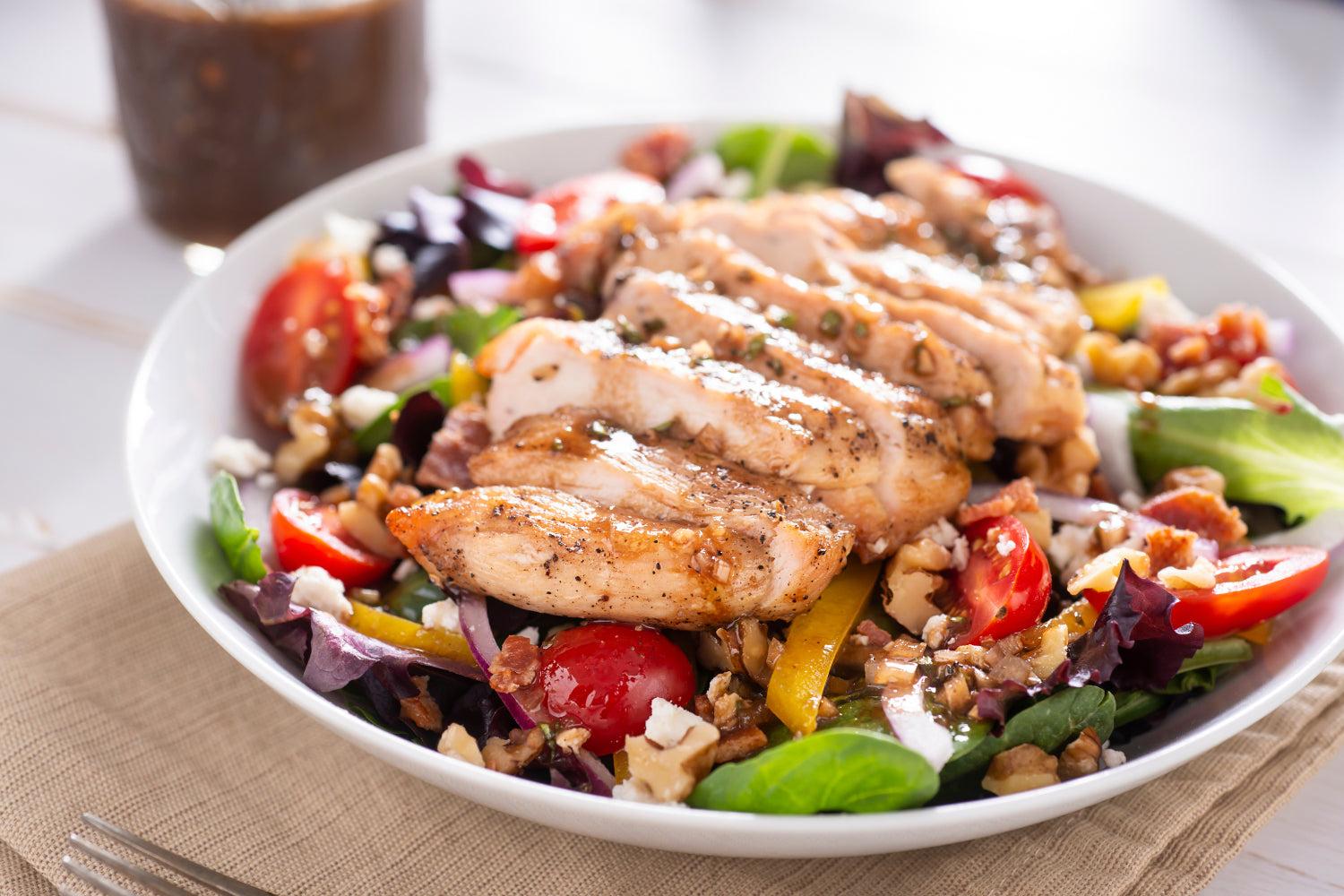
Getting enough protein every day can feel like a challenge—especially if you’re not tracking every bite. But here’s the truth: hitting 100 grams of protein daily is easier than you think when you plan smart and choose the right foods.
Whether you're trying to build muscle, lose weight, stay full longer, or simply improve your overall health, this guide will show you simple, affordable, and realistic ways to reach your protein goal—especially using foods commonly available in Nigeria.
Why 100 Grams of Protein Matters
Protein plays a key role in:
- Building and repairing body tissues
- Supporting muscle growth
- Boosting metabolism
- Keeping you full for longer (reducing overeating)
- Strengthening immunity
For most adults, aiming for 80–120 grams daily is ideal, depending on body size and activity level. So 100 grams is a solid target.
What Does 100 Grams of Protein Look Like?
Here’s a quick breakdown to help you visualize:
- 2 eggs = 12g
- 1 cup cooked beans = 15g
- 100g chicken = 25g
- 1 cup Greek yogurt = 10g
- 1 cup milk = 8g
Combine a few of these throughout the day, and you’re already close!
Easy Ways to Hit 100g Protein Daily
1. Start Your Day With Protein (20–30g)
Breakfast sets the tone. Instead of just tea and bread, upgrade your meal.
Simple ideas:
- Eggs + oats + milk
- Akara (bean cakes) + pap
- Greek yogurt + groundnuts
👉 Example:
3 eggs (18g) + 1 cup milk (8g) = 26g protein
2. Add Beans or Legumes to One Meal (15–20g)
Beans are cheap, filling, and packed with protein.
Try:
- Beans and plantain
- Moi moi
- Beans porridge
👉 1 cup beans = 15g protein
3. Include Animal Protein Daily (20–30g)
Chicken, fish, beef, or eggs should appear in at least one main meal.
Affordable options:
- Grilled chicken
- Titus fish or mackerel
- Boiled eggs
👉 100g chicken or fish = 20–25g protein
4. Snack Smart (10–20g)
Snacks can boost your protein without much effort.
Healthy protein snacks:
- Groundnuts (peanuts)
- Boiled eggs
- Yogurt
- Peanut butter on bread
👉 Handful of groundnuts = 7g protein
5. Drink Your Protein (10–20g)
If you’re busy, drinking protein is the easiest hack.
Options:
- Milk
- Smoothies with peanut butter
- Protein shakes (if available)
👉 2 cups milk = 16g protein
6. Upgrade Your Swallows and Soups
Many Nigerian soups already contain hidden protein.
Examples:
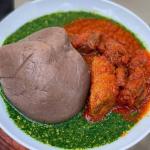
- Egusi soup (melon seeds are protein-rich)
- Ogbono with fish or meat
- Vegetable soup with stockfish
👉 A serving of egusi soup = 15–20g protein
Sample 100g Protein Day Plan
Breakfast:
3 eggs + oats + milk = 25g
Lunch:
Rice + chicken + vegetables = 30g
Snack:
Groundnuts + yogurt = 15g
Dinner:
Beans + fish = 30g
Total = 100g protein
Budget-Friendly Protein Sources in Nigeria
If you're on a tight budget, focus on:
- Beans
- Eggs
- Groundnuts
- Milk
- Sardines
- Soybeans
These are cheap, accessible, and very effective.
Common Mistakes to Avoid
❌ Skipping protein at breakfast
❌ Relying only on carbs (garri, rice, yam)
❌ Ignoring snacks as protein sources
❌ Thinking protein is only meat
Final Thoughts
Reaching 100 grams of protein daily doesn’t require expensive foods or complicated diets. With simple adjustments—like adding eggs, beans, and milk—you can easily meet your goal.
Start small, stay consistent, and your body will thank you.
Frequently Asked Questions (FAQs)
1. Can I get 100g protein without meat?
Yes! Beans, soybeans, groundnuts, and dairy can help you reach your goal.
2. Is too much protein harmful?
For healthy individuals, 100g per day is generally safe and beneficial.
3. What’s the cheapest way to get protein?
Beans, eggs, and groundnuts are the most affordable options.
4. How can I track my protein intake?
You can use simple apps or just estimate based on common food portions.
Disclaimer
This article is for informational and educational purposes only and is not intended as medical or nutritional advice. Individual protein needs may vary based on age, health status, activity level, and specific medical conditions. Always consult a qualified healthcare professional, doctor, or registered dietitian before making significant changes to your diet, especially if you have underlying health conditions such as kidney disease or metabolic disorders. The author and publisher are not responsible for any adverse effects resulting from the use of this information