


Table of contents [Show]
- Introduction
- What Is Obe Eyin?
- The Nutritional Power Behind Obe Eyin
- Traditional Wisdom vs Modern Science
- Health Benefits of Obe Eyin
- How to Include Obe Eyin in Your Diet
- Is Obe Eyin Healthy for Everyone?
- Common Myths About Palm Fruit Extract
- Why Obe Eyin Deserves a Comeback
- Final Thoughts
- Frequently Asked Questions (FAQs)
- Disclaimer
Introduction
In today’s world of imported superfoods and expensive supplements, many people overlook the powerful nutrients found in traditional African foods. One such hidden gem is Obe Eyin, a rich palm fruit extract that has nourished generations across Nigeria.
More than just a flavorful soup base, Obe Eyin is a natural reservoir of Vitamin E, antioxidants, and healthy fats—making it a true ancestral superfood that deserves modern recognition.

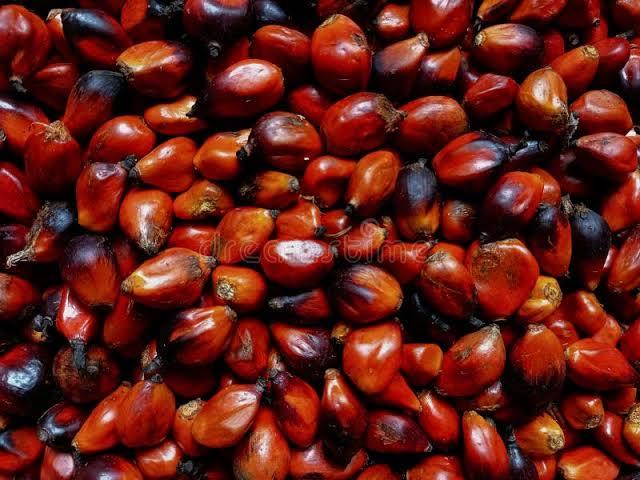
Obe Eyin is a traditional Nigerian soup or sauce made from palm fruit extract, derived from the pulp of oil palm fruits. It is widely used in local cuisines and often prepared with:
- Assorted meats or fish
- Crayfish and local spices
- Leafy vegetables like scent leaf or bitter leaf
It is typically served with:
- Pounded yam
- Amala
- Eba (garri)
- Fufu
Its signature deep reddish-orange color comes from its rich content of natural plant compounds.
While many people enjoy Obe Eyin for its taste, its real strength lies in its nutritional profile.
1. A Natural Vitamin E Powerhouse
Obe Eyin is especially rich in Vitamin E, a fat-soluble antioxidant that plays a vital role in:
- Protecting cells from oxidative damage
- Supporting healthy skin and hair
- Strengthening the immune system
- Promoting heart health
Unlike synthetic supplements, the Vitamin E in palm fruit extract comes in natural forms (tocopherols and tocotrienols), which are more bioavailable and effective in the body.
2. Rich in Beta-Carotene (Pro-Vitamin A)
The vibrant red color of Obe Eyin is a sign of high beta-carotene, which the body converts into Vitamin A.
Benefits include:
- Improved vision
- Stronger immunity
- Healthy skin regeneration
3. Healthy Fats for Energy and Brain Function
Obe Eyin contains natural plant-based fats that:
- Provide long-lasting energy
- Support brain health
- Aid absorption of fat-soluble vitamins (A, D, E, K)
4. Antioxidant and Anti-Inflammatory Properties
Palm fruit extract is loaded with compounds that:
- Fight free radicals
- Reduce inflammation
- Lower the risk of chronic diseases
Traditional Wisdom vs Modern Science
For centuries, African communities consumed Obe Eyin without fully understanding its scientific benefits. Today, nutrition science confirms that:
👉 Traditional diets rich in whole, minimally processed foods are among the healthiest in the world.
Unlike highly refined vegetable oils, Obe Eyin retains:
- Natural nutrients
- Beneficial antioxidants
- Authentic flavor compounds
This makes it a superior option when used in moderation.
Supports Radiant Skin
Vitamin E helps protect the skin from damage caused by sun exposure and aging.
Boosts Immunity
Its antioxidants strengthen the body’s defense system against infections.
Promotes Heart Health
Healthy fats and antioxidants help reduce oxidative stress linked to heart disease.
Enhances Eye Health
Beta-carotene supports good vision and reduces the risk of eye disorders.
Aids Overall Wellness
Its combination of nutrients supports multiple body systems at once.
Adding Obe Eyin to your meals is simple:
Popular Serving Ideas

- As a soup with swallow (eba, amala, pounded yam)
- With rice or boiled yam
- Paired with fish, meat, or plant-based proteins
Healthy Tips
- Use moderate portions to manage calorie intake
- Combine with vegetables for balanced nutrition
- Avoid excessive oil addition during cooking
While Obe Eyin is highly nutritious, it’s important to consider:
- It is calorie-dense due to natural fats
- People with certain health conditions (e.g., high cholesterol) should consume it in moderation
- Preparation methods can affect its nutritional value
Balance and portion control are key.
Common Myths About Palm Fruit Extract
Myth 1: Palm oil is unhealthy
👉 Truth: Unprocessed palm fruit extract contains beneficial nutrients and antioxidants.
Myth 2: It causes weight gain
👉 Truth: Weight gain results from excessive calorie intake—not from one food alone.
Myth 3: Traditional foods are outdated
👉 Truth: Many traditional foods are more nutrient-dense than modern processed options.
In a time when people are turning to quinoa, chia seeds, and imported oils, Obe Eyin stands out as:
- A locally available superfood
- Affordable and accessible
- Nutrient-rich and culturally significant
- Backed by both tradition and science
It represents the power of returning to our roots for better health.
Final Thoughts
Obe Eyin is more than just a traditional dish—it is a natural Vitamin E vault packed with nutrients that support overall wellness. By incorporating it into your diet, you’re not just enjoying a delicious meal—you’re embracing a legacy of health passed down through generations.
Sometimes, the most powerful superfoods are not found in stores—they are already in your kitchen.
Frequently Asked Questions (FAQs)
1. What exactly is Obe Eyin?
It is a traditional soup made from palm fruit extract commonly used in Nigerian cuisine.
2. Is it the same as palm oil?
No. It is less processed and retains more nutrients.
3. Can I eat it every day?
Yes, but in moderation as part of a balanced diet.
4. Is it good for skin health?
Yes, due to its high Vitamin E content.
5. Can vegetarians eat Obe Eyin?
Yes, it can be prepared without meat using plant-based ingredients.
Disclaimer
This content is for informational and educational purposes only and does not constitute medical advice. Individual nutritional needs may vary. Always consult a qualified healthcare professional before making significant dietary changes, especially if you have underlying health conditions.