

Introduction
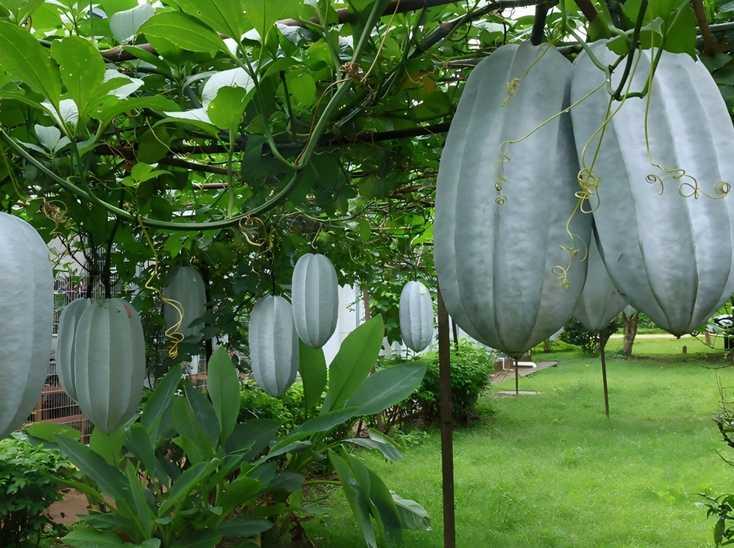
In the heart of Nigerian cuisine lies a leafy green powerhouse that has nourished generations—Ugu, also known as fluted pumpkin leaves. Beyond its rich flavor in soups like Edikang Ikong and Egusi, Ugu stands out as a nutritional giant packed with bioactive compounds that support health in remarkable ways.
But what truly sets Ugu apart? Its exceptional iron and folate content—two essential nutrients that play a vital role in blood health, energy production, and overall wellness.
Let’s explore why Ugu deserves a permanent spot on your plate.
Table of contents [Show]
🌿 What Makes Ugu So Special?
Ugu (Telfairia occidentalis) is more than just a vegetable—it’s a functional food loaded with bioactive compounds such as:
- Flavonoids
- Phenolic acids
- Alkaloids
- Saponins
These compounds give Ugu its antioxidant, anti-inflammatory, and blood-boosting properties.
🩸 A Natural Iron Booster
Iron deficiency is one of the most common nutritional problems in Nigeria, especially among women and children. Ugu helps tackle this issue naturally.
Why iron matters:
- Supports the production of hemoglobin
- Prevents anemia
- Improves oxygen circulation in the body
How Ugu helps:
Ugu leaves are rich in plant-based iron, which supports red blood cell formation. When consumes regularly—especially with vitamin C-rich foods like tomatoes or citrus—it enhances iron absorption significantly.
🧬 Folate for Growth and Vitality
Folate (Vitamin B9) is essential for:
- DNA synthesis and repair
- Healthy pregnancy and fetal development
- Brain function and mood regulation
Ugu provides a natural and affordable source of folate, making it especially important for pregnant women and growing children.
💪 Blood-Building Benefits
Traditionally, Ugu has been used as a blood tonic. Modern science supports this claim.
Regular consumption of Ugu may:
- Increase red blood cell count
- Improve hemoglobin levels
- Aid recovery from illness or blood loss
This is why Ugu juice is often recommended in local health practices for people recovering from weakness or anemia.
🛡️ Rich in Antioxidants
The bioactive compounds in Ugu help fight oxidative stress, which is linked to chronic diseases.
Benefits include:
- Strengthening the immune system
- Reducing inflammation
- Protecting cells from damage
🍲 Easy Ways to Add Ugu to Your Diet
One of the best things about Ugu is its versatility in Nigerian cooking.
Try incorporating it into:
- Egusi soup
- Ogbono soup
- Vegetable stir-fries
- Fresh Ugu juice blends
- Smoothies with pineapple or apple
Tip: Avoid overcooking Ugu to preserve its nutrients.
⚠️ Things to Keep in Mind
While Ugu is highly nutritious:
- Wash thoroughly to remove dirt and contaminants
- Consume in moderation as part of a balanced diet
- Pair with vitamin C foods to boost iron absorption
Improves Digestion: Fiber aids gut health
Best Ways to Consume Ugu
To maximize its nutritional benefits, consider these methods:
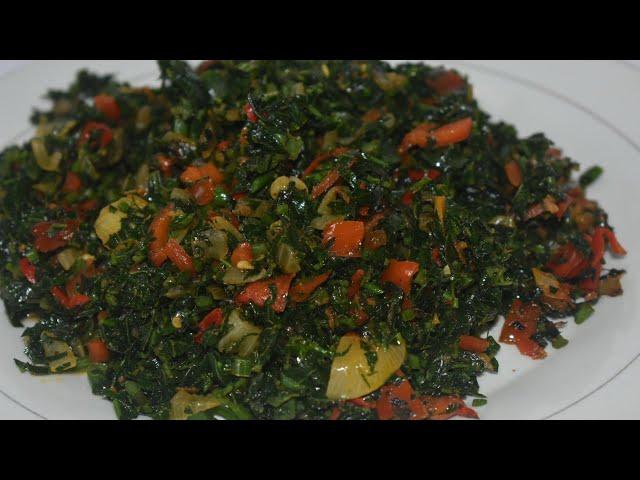
Lightly Cooked: Add to soups at the final stage to preserve nutrients
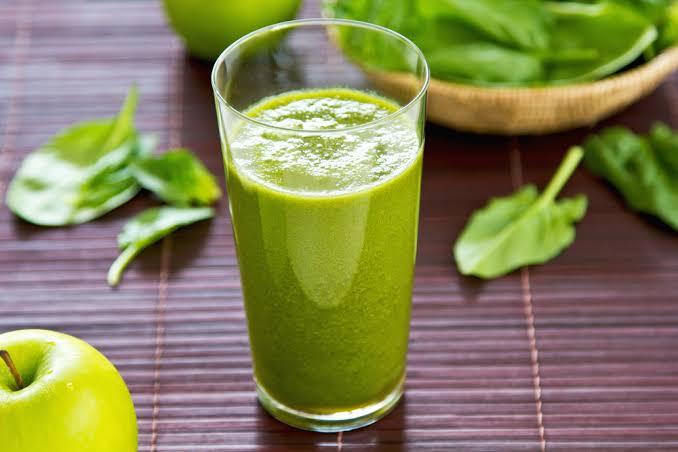
Fresh Juice: Blend with water or fruits for a blood-boosting drink
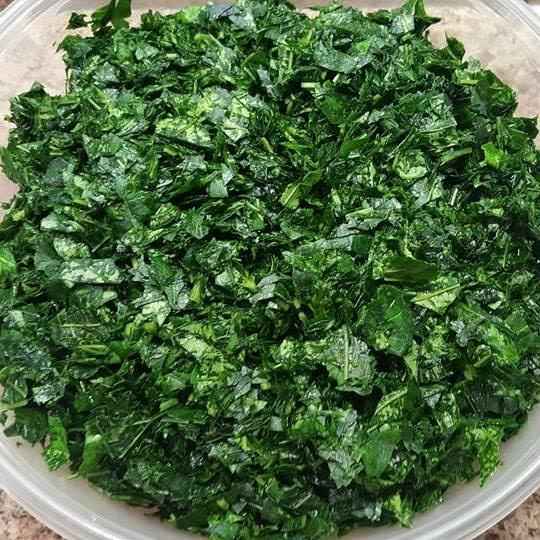
Steamed: Retains more vitamins than prolonged boiling
Who Should Eat More Ugu?
Ugu is especially beneficial for:
- People with anemia or low blood levels
- Pregnant and breastfeeding women
- Children in growth stages
- Individuals recovering from illness
- Anyone looking to boost energy naturally
🌱 Final Thoughts
Ugu is more than a traditional vegetable—it’s a natural superfood with powerful health benefits. Its rich iron and folate content makes it a key ally in fighting anemia, boosting energy, and supporting overall wellness.
In a world leaning toward expensive supplements, Ugu reminds us that some of the best health solutions are already growing in our backyard.
So next time you’re cooking, don’t just add Ugu for taste—add it for life