



Waterleaf is one of the most nutritious leafy vegetables consumed across West Africa, particularly in Nigeria, Cameroon, and Ghana. Known for its tender leaves and high water content, waterleaf is a staple ingredient in many traditional soups and vegetable dishes.
Scientifically known as Waterleaf , this leafy vegetable is packed with essential vitamins, minerals, antioxidants, and dietary fiber that support overall health. Despite its simple appearance, waterleaf offers numerous health benefits, including promoting heart health, strengthening bones, improving digestion, and supporting the proper functioning of vital organs.
This article explores the nutritional composition of waterleaf, different methods of preparation, its health benefits, possible side effects, and the best ways to incorporate it into your daily diet.
Table of contents [Show]
What is Waterleaf?
Waterleaf is a succulent leafy vegetable widely cultivated in tropical regions. It thrives in warm climates and grows rapidly, making it one of the easiest vegetables to cultivate in home gardens.
It is commonly used in preparing:
- Edikang Ikong Soup
- Afang Soup
- Vegetable Soup
- Native Soups
- Stews
- Green Smoothies
- Herbal preparations
Because of its high moisture content, waterleaf helps create the rich texture and consistency of many traditional soups.
Nutritional Value of Waterleaf
Waterleaf is naturally rich in nutrients essential for maintaining good health.
It contains:
- Vitamin A
- Vitamin C
- Vitamin E
- Vitamin K
- Folate (Vitamin B9)
- Calcium
- Iron
- Potassium
- Magnesium
- Phosphorus
- Zinc
- Dietary Fiber
- Natural Antioxidants
- Water (over 90%)
These nutrients help support various body systems and contribute to disease prevention when consumed as part of a balanced diet.
Methods of Preparing Waterleaf
1. Cooking Waterleaf Soup
The most popular way to enjoy waterleaf is in traditional soups.
Ingredients
- Fresh waterleaf
- Fish or assorted meat
- Crayfish
- Pepper
- Onions
- Palm oil
- Seasoning
- Stock
Preparation
- Wash the waterleaf thoroughly.
- Chop into medium-sized pieces.
- Cook the meat or fish until tender.
- Add palm oil, crayfish, pepper, and seasonings.
- Stir in the chopped waterleaf.
- Simmer for 5–10 minutes.
- Serve with pounded yam, fufu, eba, or semolina.
2. Steamed Waterleaf
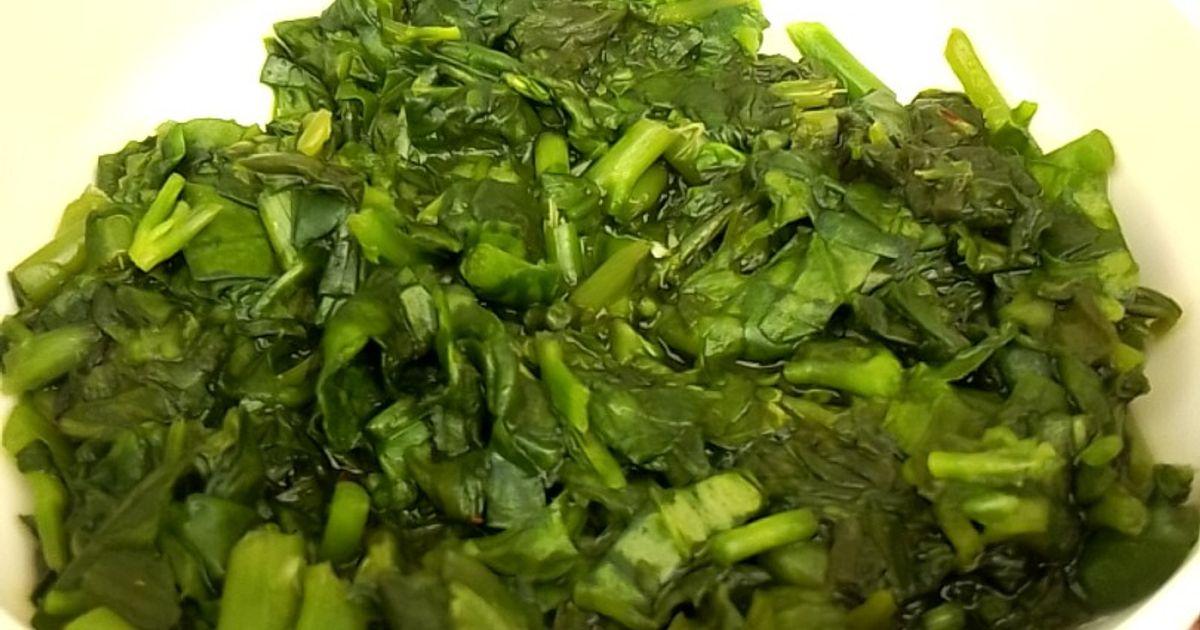
Steaming helps preserve many of the vegetable's nutrients.
Steps
- Wash the leaves thoroughly.
- Steam for 3–5 minutes.
- Season lightly.
- Serve with rice, yam, potatoes, or grilled fish.
3. Stir-Fried Waterleaf
Quick stir-frying produces a delicious and nutritious side dish.
Method
- Heat a small amount of vegetable or olive oil.
- Add onions and garlic.
- Stir in chopped waterleaf.
- Cook for about 3–5 minutes.
- Add spices to taste.
4. Fresh Green Smoothie
Waterleaf can also be blended into healthy smoothies.
Blend with:
- Pineapple
- Apple
- Banana
- Cucumber
- Ginger
- Lemon
Drink immediately to preserve nutrients.
5. Fresh Vegetable Salad
Tender young leaves can be eaten fresh.
Simply:
- Wash thoroughly.
- Chop into small pieces.
- Mix with lettuce, tomatoes, cucumber, carrots, and onions.
- Add a healthy dressing.
Health Benefits of Waterleaf for Human Organs
1. Supports Heart Health
Waterleaf contains potassium, magnesium, and antioxidants that help maintain normal blood pressure, support healthy circulation, and contribute to overall cardiovascular health. A diet rich in leafy vegetables is associated with a lower risk of heart disease.
2. Promotes Healthy Blood Formation
Waterleaf provides iron and folate, nutrients essential for producing healthy red blood cells. Vitamin C also helps improve the absorption of iron from plant foods.
3. Improves Digestive Health
The dietary fiber in waterleaf:
- Promotes regular bowel movements
- Supports beneficial gut bacteria
- Helps reduce constipation
- Encourages healthy digestion
4. Supports Kidney Function
Because waterleaf contains a high amount of water and beneficial minerals, it contributes to hydration, which supports normal kidney function in healthy individuals. People with kidney disease should seek medical advice before making significant dietary changes.
5. Promotes Liver Health
The antioxidants found in waterleaf help protect liver cells from oxidative stress caused by free radicals. While waterleaf is not a treatment for liver disease, it can be part of a diet that supports liver health.
6. Strengthens Bones and Teeth
Waterleaf is a good source of calcium, magnesium, and vitamin K, all of which play important roles in maintaining strong bones and healthy teeth.
7. Supports Eye Health
Vitamin A in waterleaf contributes to:
- Healthy eyesight
- Better night vision
- Protection of the eye's surface
Regular consumption of vitamin A-rich vegetables may help reduce the risk of certain vision problems.
8. Boosts the Immune System
Vitamin C and antioxidants help strengthen the immune system by supporting the body's natural defense against infections and promoting healthy immune cell function.
9. Promotes Healthy Skin
The vitamins and antioxidants in waterleaf support collagen production and help protect skin cells from damage caused by environmental factors.
10. Supports Brain Function
Waterleaf contains nutrients that support healthy nerve function and protect brain cells from oxidative stress, contributing to cognitive health over time.
Additional Health Benefits of Waterleaf
Regular consumption of waterleaf may also:
- Support healthy weight management because it is low in calories and high in water and fiber.
- Help reduce oxidative stress through its antioxidant content.
- Contribute to maintaining healthy cholesterol levels as part of a balanced diet.
- Promote hydration due to its naturally high water content.
- Support muscle function through potassium and magnesium.
Best Ways to Eat Waterleaf
For maximum nutritional benefits:
- Include it in soups at least two to three times a week.
- Steam rather than boil for long periods.
- Add it to smoothies with fruits.
- Stir-fry lightly instead of overcooking.
- Combine it with lean proteins, legumes, and whole grains for a balanced meal.
Possible Side Effects and Precautions
Waterleaf is generally safe for most people when consumed as food. However, consider the following precautions:
- Wash thoroughly to remove dirt, sand, and pesticides.
- Avoid excessive cooking, as prolonged heat can reduce certain vitamins.
- People with chronic kidney disease should consult a healthcare provider about potassium-rich foods.
- If you have food allergies or digestive sensitivities, introduce new vegetables gradually.
Frequently Asked Questions (FAQs)
Is waterleaf healthy?
Yes. Waterleaf is a nutrient-rich vegetable containing vitamins, minerals, antioxidants, fiber, and water that support overall health.
Can I eat waterleaf every day?
Yes, most healthy adults can include waterleaf in their daily diet as part of a varied intake of vegetables. Eating a variety of leafy greens provides a broader range of nutrients.
Is waterleaf good for people with high blood pressure?
Waterleaf contains potassium, which supports normal blood pressure regulation. However, it should complement—not replace—medical treatment and a heart-healthy lifestyle.
Does waterleaf help with digestion?
Yes. Its fiber and high water content support regular bowel movements and healthy digestion.
Can pregnant women eat waterleaf?
Waterleaf can be part of a healthy pregnancy diet because it contains folate and other nutrients. Pregnant women should ensure it is properly washed and cooked, and should follow advice from their healthcare provider regarding their overall diet.
Conclusion
Waterleaf (Talinum fruticosum) is more than just a traditional leafy vegetable—it is a powerhouse of nutrition that supports the health of multiple organs, including the heart, liver, kidneys, brain, eyes, digestive system, bones, and immune system. Rich in vitamins, minerals, antioxidants, and fiber, it is an excellent choice for anyone seeking a wholesome and balanced diet.
Whether prepared in soups, steamed, stir-fried, blended into smoothies, or enjoyed fresh in salads, waterleaf is a versatile ingredient that can enhance both the flavor and nutritional value of your meals. By incorporating it regularly into a healthy lifestyle, you can enjoy its many benefits while supporting long-term health and well-being.