

Introduction
For decades, the debate has divided nutrition experts and dieters alike: Is a low-carb diet better than a low-fat diet for heart health?
Many people carefully count carbohydrates, while others avoid fat at all costs. However, emerging research suggests that the answer isn't as simple as choosing one diet over the other. According to a recent study, the quality of the foods you eat matters far more than whether your diet is low in carbohydrates or low in fat.
In other words, replacing processed foods with wholesome, nutrient-rich options may do more for your heart than strictly following any popular diet trend.
Let's explore what the study found and how you can make smarter food choices for long-term cardiovascular health.
Table of contents [Show]
- The Study: Quality Over Quantity
- Understanding Healthy vs. Unhealthy Low-Carb Diets
- Not All Low-Fat Diets Are Healthy Either
- Why Food Quality Makes Such a Difference
- Foods That Support a Healthy Heart
- Foods to Limit
- Beyond Diet: Other Habits That Protect Your Heart
- Practical Tips for Everyday Meals
- The Bottom Line
- FAQ Schema
The Study: Quality Over Quantity
Researchers examined the eating habits and long-term health outcomes of thousands of adults over several decades. They compared participants following low-carbohydrate and low-fat diets while also evaluating the quality of the foods they consumed.
The findings were revealing:
- Healthy low-carb diets were linked with better heart health.
- Healthy low-fat diets also reduced the risk of cardiovascular disease.
- Diets high in refined carbohydrates, processed meats, sugary foods, and unhealthy fats increased heart disease risk regardless of whether they were labeled "low-carb" or "low-fat."
The takeaway is simple: it's not just about eating fewer carbs or less fat it's about choosing healthier sources of both.
Understanding Healthy vs. Unhealthy Low-Carb Diets
Many people assume that eating fewer carbohydrates automatically leads to better health. That's not always true.
A healthy low-carb diet includes:
- Leafy green vegetables
- Broccoli
- Cauliflower
- Nuts and seeds
- Avocados
- Olive oil
- Fatty fish
- Eggs
- Beans (in moderation)
An unhealthy low-carb diet often relies heavily on:
- Bacon
- Sausages
- Processed meats
- Butter in excess
- Refined oils
- Cheese-heavy processed meals
- Low-carb packaged snacks
While both diets restrict carbohydrates, their effects on heart health are dramatically different.
Not All Low-Fat Diets Are Healthy Either
Similarly, reducing fat doesn't guarantee a healthier diet.
Healthy low-fat choices include:
- Fresh fruits
- Vegetables
- Whole grains
- Legumes
- Low-fat yogurt
- Oats
- Brown rice
- Sweet potatoes
Unhealthy low-fat diets may include:
- Sugary breakfast cereals
- White bread
- Candy
- Sweetened beverages
- Fat-free desserts loaded with sugar
- Highly processed snack foods
Removing fat often means manufacturers add sugar or refined starches to improve flavor, which can negatively affect heart health.
Why Food Quality Makes Such a Difference
Whole foods provide nutrients that protect your cardiovascular system.
These include:
Fiber
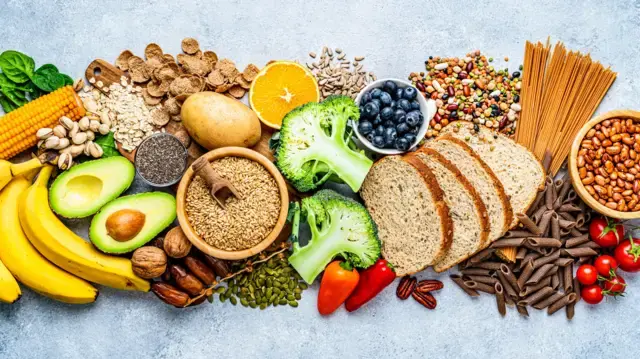
Fiber helps lower LDL ("bad") cholesterol, stabilizes blood sugar, and supports digestive health.
Excellent sources include:
- Oats
- Beans
- Lentils
- Apples
- Pears
- Vegetables
Healthy Fats
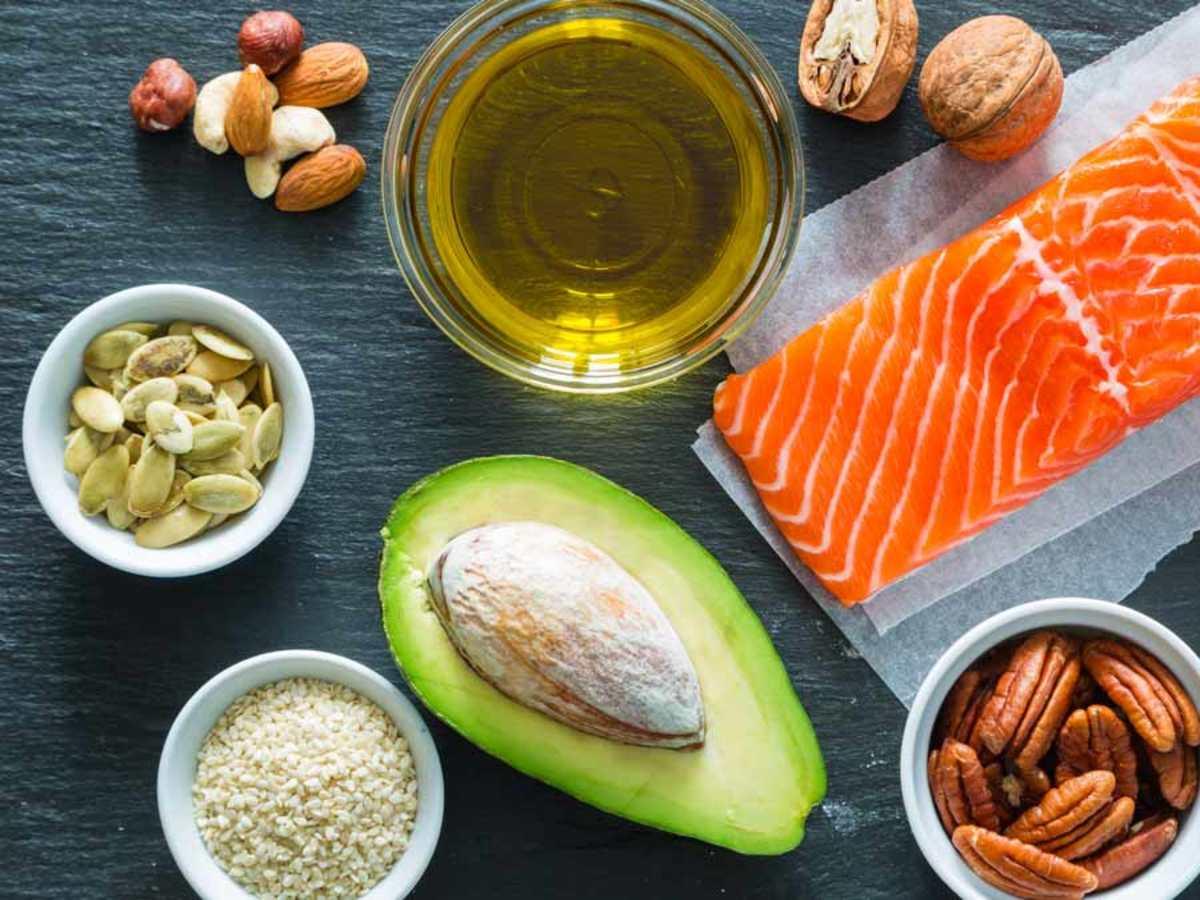
Unsaturated fats help improve cholesterol levels and reduce inflammation.
Good sources include:
- Olive oil
- Avocados
- Nuts
- Seeds
- Salmon
- Sardines
Antioxidants
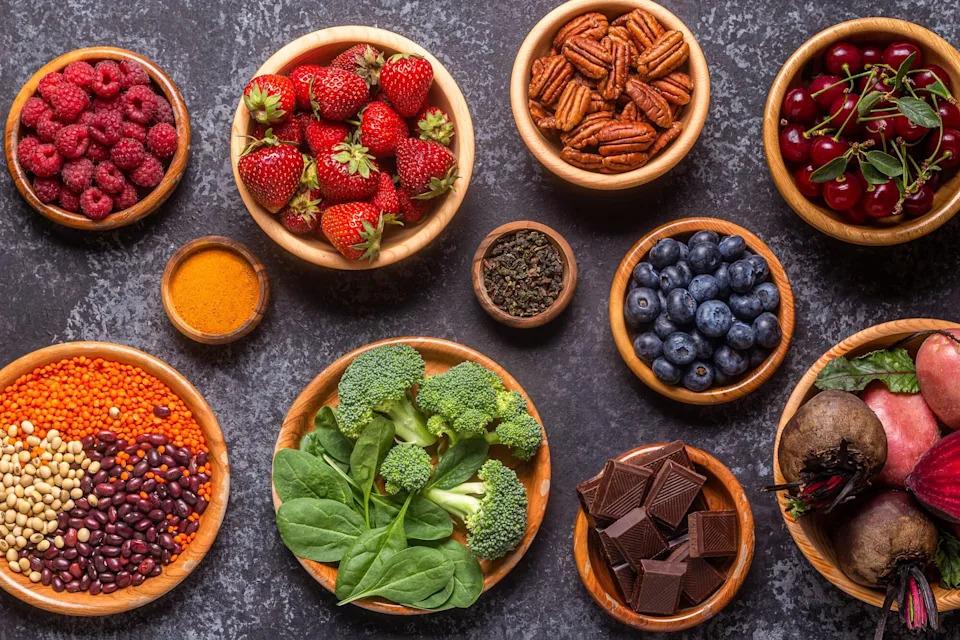
Plant foods contain antioxidants that help reduce oxidative stress and protect blood vessels.
Colorful fruits and vegetables are especially rich in these protective compounds.
Plant Protein
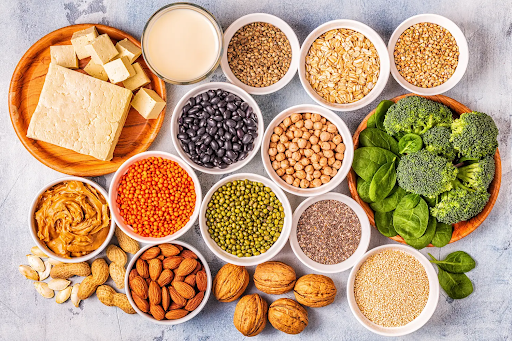
Replacing some animal protein with plant protein may reduce heart disease risk.
Great options include:
- Lentils
- Chickpeas
- Black beans
- Tofu
- Edamame
Foods That Support a Healthy Heart
Whether you're following a low-carb or low-fat eating plan, these foods consistently rank among the best choices:
- Leafy greens
- Berries
- Tomatoes
- Fatty fish
- Walnuts
- Almonds
- Beans
- Lentils
- Oats
- Olive oil
- Avocados
- Whole grains
- Seeds
These foods provide a powerful combination of fiber, healthy fats, vitamins, minerals, and antioxidants.
Foods to Limit
For better heart health, reduce your intake of:
- Processed meats
- Sugary drinks
- White bread
- Cakes and pastries
- Candy
- Deep-fried foods
- Chips
- Highly processed snacks
- Fast food
- Excessive added sugar
Limiting these foods can help improve cholesterol levels, blood pressure, and overall cardiovascular health.
Beyond Diet: Other Habits That Protect Your Heart
Healthy eating is only one part of the equation.
Other heart-friendly habits include:
- Exercising regularly
- Maintaining a healthy weight
- Avoiding smoking
- Managing stress
- Sleeping 7–9 hours each night
- Keeping blood pressure under control
- Monitoring cholesterol and blood sugar levels
Combining these habits with a nutritious diet provides the greatest protection against heart disease.
Practical Tips for Everyday Meals
Rather than obsessing over grams of fat or carbohydrates, focus on improving the quality of every meal.
Try these simple strategies:
- Fill half your plate with vegetables.
- Choose whole grains instead of refined grains.
- Snack on nuts instead of chips.
- Replace sugary drinks with water or unsweetened tea.
- Cook more meals at home.
- Use olive oil instead of butter when appropriate.
- Eat fish at least twice a week.
- Include beans or lentils in meals several times each week.
Small, consistent improvements often have a greater impact than following restrictive diets that are difficult to maintain.
The Bottom Line
The long-running debate between low-carb and low-fat diets may have overlooked the most important factor: food quality.
Research suggests that your heart benefits most when you build your diet around whole, minimally processed foods rich in fiber, healthy fats, vitamins, and antioxidants. Whether you prefer eating fewer carbohydrates or less fat, choosing nutrient-dense foods is what truly supports long-term cardiovascular health.
Instead of asking, "Should I eat low-carb or low-fat?" a better question may be:
"Are the foods on my plate nourishing my heart?"
When the answer is yes, you're already on the right path.
FAQ Schema
Q1: Is a low-carb diet better than a low-fat diet for heart health?
A: Research suggests neither diet is inherently superior. The quality of the foods you choose has a greater impact on heart health than simply reducing carbohydrates or fat.
Q2: What are the healthiest low-carb foods?
A: Healthy low-carb foods include leafy greens, broccoli, cauliflower, avocados, nuts, seeds, olive oil, eggs, and fatty fish.
Q3: Can a low-fat diet be unhealthy?
A: Yes. A low-fat diet high in refined carbohydrates, sugary foods, and ultra-processed products may increase the risk of heart disease.
Q4: Which foods are best for heart health?
A: Fruits, vegetables, whole grains, legumes, nuts, seeds, olive oil, and fatty fish are among the best foods for supporting cardiovascular health.
Q5: Does food quality matter more than macronutrients?
A: Yes. Evidence indicates that eating nutrient-rich, minimally processed foods is more important for heart health than focusing solely on reducing carbohydrates or fat