

Table of contents [Show]
- Introduction
- What Are Eggplant Leaf?
- Nutritional Value of Eggplant Leaf
- Health Benefits of Eggplant Leaf During Pregnancy
- Nigerian Ways of Preparing Eggplant Leaf
- 1. Eggplant Leaf Soup
- Ingredients
- Method
- 2. Mixed Vegetable Soup
- 3. Vegetable Sauce
- 4. Steamed Vegetable
- Tips for Pregnant Women
- Are Eggplant Leaf Safe During Pregnancy?
- Frequently Asked Questions (FAQs)
- Can pregnant women eat eggplant leaf?
- Do eggplant leaf help increase blood?
- Can I eat eggplant leaf soup every day?
- Are eggplant leaf better than ugu?
- Conclusion
Introduction
Pregnancy is a time when every meal matters. Eating a balanced diet rich in vegetables, fruits, whole grains, and protein helps support the health of both the mother and the growing baby. While many pregnant women are familiar with vegetables like ugu (fluted pumpkin), waterleaf, and spinach, one nutritious vegetable that often goes unnoticed is eggplant leaf.
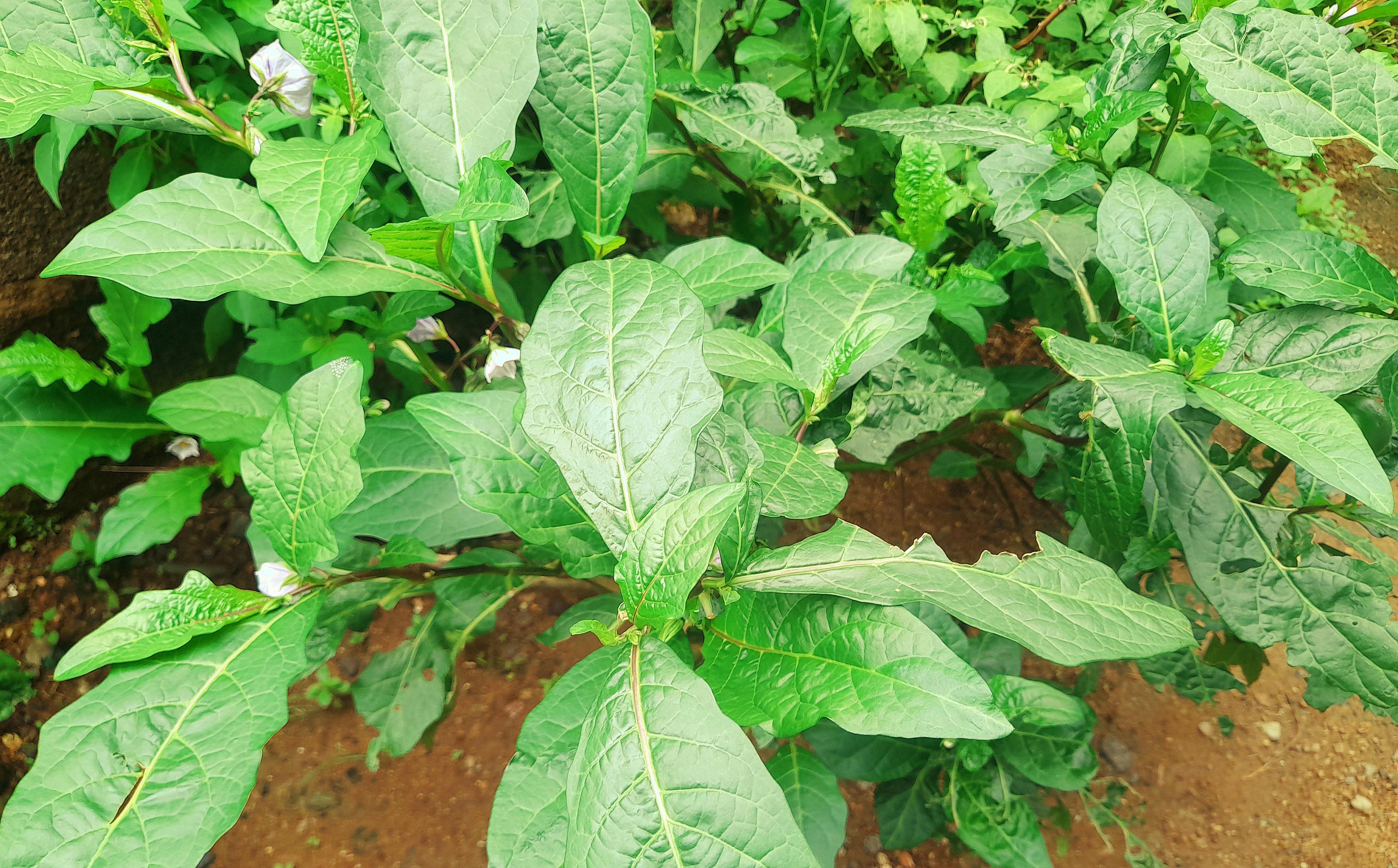
In Nigeria, eggplant leaf come from the same plant that produces the garden egg, a popular fruit enjoyed across the country. These leaves are edible and are used in soups and vegetable dishes in many communities. They are packed with essential nutrients such as folate, iron, calcium, vitamins A and C, fiber, and antioxidants that can support a healthy pregnancy.
In this article, you'll learn about the nutritional value of eggplant leaf, their benefits during pregnancy, how Nigerians prepare them, and important safety tips for expectant mothers.
What Are Eggplant Leaf?
Eggplant leaf are the green leaf of the garden egg plant (Solanum aethiopicum), commonly grown throughout Nigeria.
The plant is known by different local names:
- Yoruba: Igba or Garden Egg Plant
- Igbo: Anara
- Hausa: Gauta or Garden Egg
- English: African Eggplant or Garden Egg
Although the fruits are more commonly eaten, the leaves are also highly nutritious and are used in traditional soups in several Nigerian communities.
Nutritional Value of Eggplant Leaf
Eggplant leaf contain important nutrients needed during pregnancy, including:
- Folate (Vitamin B9)
- Iron
- Calcium
- Magnesium
- Potassium
- Vitamin A
- Vitamin C
- Vitamin K
- Dietary Fiber
- Antioxidants
- Small amounts of protein
These nutrients help support both maternal health and the baby's growth and development.
Health Benefits of Eggplant Leaf During Pregnancy
1. Rich in Folate for Baby's Brain and Spine Development
Folate is one of the most important nutrients during pregnancy.
It helps:
- Support healthy brain development.
- Reduce the risk of neural tube defects.
- Promote healthy cell growth.
Although eggplant leaf contain folate, pregnant women should still take folic acid supplements as prescribed by their healthcare provider.
2. Helps Prevent Iron Deficiency
Pregnant women require more iron because the body produces more blood to support the growing baby.
Eggplant leaf contain iron, which helps:
- Support healthy red blood cell production.
- Reduce the risk of iron-deficiency anemia.
- Improve oxygen delivery throughout the body.
Eating eggplant leaf with vitamin C-rich foods like oranges, tomatoes, or fresh peppers may improve iron absorption.
3. Supports Strong Bones
The calcium and magnesium found in eggplant leaves contribute to:
- Strong bones.
- Healthy teeth.
- Proper muscle function.
These nutrients also support the baby's developing skeleton.
4. Promotes Healthy Digestion
Constipation is common during pregnancy.
The fiber in eggplant leaf helps:
- Improve digestion.
- Promote regular bowel movements.
- Support a healthy gut.
Drinking enough water alongside a fiber-rich diet further supports digestive health.
5. Boosts the Immune System
Eggplant leaf contain vitamins A and C, which support the immune system and help the body defend against infections.
6. Supports Healthy Eyes and Skin
Vitamin A plays an important role in:
- Maintaining healthy vision.
- Supporting the baby's eye development.
- Keeping the mother's skin healthy.
Vitamin A should come from food sources like vegetables rather than high-dose supplements unless advised by a healthcare provider.
7. Provides Natural Antioxidants
Antioxidants help protect the body's cells from damage caused by free radicals.
A diet rich in antioxidant-containing vegetables supports overall health during pregnancy.
8. Supports Heart Health
Potassium helps maintain normal blood pressure and supports healthy heart function, making it an important nutrient during pregnancy.
Nigerian Ways of Preparing Eggplant Leaf

One of the advantages of eggplant leaf is that they can be prepared just like other leafy vegetables.
1. Eggplant Leaf Soup
This is the most popular preparation.
Ingredients
- Fresh eggplant leaf
- Palm oil
- Pepper
- Onions
- Crayfish
- Locust beans (Iru/Dawadawa) – optional
- Fish or assorted meat
- Seasoning cubes (optional)
- Salt
Method
- Wash the leaf thoroughly.
- Chop them into small pieces.
- Cook your meat or fish until tender.
- Add palm oil, onions, pepper, and crayfish.
- Stir in the chopped leaves.
- Simmer for 5–10 minutes.
- Serve with eba, amala, pounded yam, semovita, or fufu.
2. Mixed Vegetable Soup
Many Nigerian families combine eggplant leaf with:
- Ugu (fluted pumpkin)
- Waterleaf
- Scent leaf (Efin/Nchuanwu)
- Spinach
This creates a more flavorful and nutrient-rich soup.
3. Vegetable Sauce
Eggplant leaf can be lightly sautéed with:
- Tomatoes
- Onions
- Fresh pepper
- Fish
- Eggs
Serve with boiled yam, sweet potatoes, rice, or plantain.
4. Steamed Vegetable
Steaming helps preserve nutrients.
Simply:
- Wash the leaf.
- Steam for about 5 minutes.
- Season lightly.
- Serve as a side dish.
Tips for Pregnant Women
To enjoy eggplant leaf safely:
- Wash thoroughly before cooking.
- Cook properly to reduce the risk of foodborne illness.
- Eat them as part of a balanced diet.
- Pair them with protein sources such as fish, beans, eggs, or lean meat.
- Continue taking prenatal vitamins as prescribed by your healthcare provider.
Are Eggplant Leaf Safe During Pregnancy?
Yes. When properly washed and cooked, eggplant leaf are generally safe for most pregnant women as part of a balanced diet.
However:
- Avoid eating spoiled or contaminated leaves.
- Do not rely on them as a replacement for prenatal supplements.
- If you have any medical condition or dietary restriction, consult your healthcare provider before making significant changes to your diet.
Frequently Asked Questions (FAQs)
Can pregnant women eat eggplant leaf?
Yes. Properly washed and cooked eggplant leaf can be included in a healthy pregnancy diet.
Do eggplant leaf help increase blood?
They contain iron and folate, which support healthy red blood cell production. However, they should complement—not replace—iron supplements prescribed by a healthcare provider.
Can I eat eggplant leaf soup every day?
Eggplant leaf can be eaten regularly as part of a varied diet. It is best to rotate different leafy vegetables, such as ugu, waterleaf, spinach, and bitter leaf, to obtain a wider range of nutrients.
Are eggplant leaf better than ugu?
Both vegetables are highly nutritious and offer different health benefits. Including a variety of leafy vegetables in your meals is the best approach.
Conclusion
Eggplant leaf are a nutritious but often overlooked vegetable that can make a valuable addition to a healthy pregnancy diet in Nigeria. Rich in folate, iron, calcium, vitamins, fiber, and antioxidants, they support the health of the mother while contributing to the baby's growth and development.
Whether prepared as a traditional soup, mixed with other vegetables, or cooked as a simple sauce, eggplant leaf are an affordable and locally available source of nutrition. Combined with regular antenatal care, prenatal supplements, and a balanced diet, they can help expectant mothers enjoy a healthier pregnancy.
Disclaimer: This article is for educational purposes only and should not replace medical advice. Every pregnancy is different. Pregnant women should consult a qualified healthcare professional or registered dietitian for personalized dietary recommendations, especially if they have pregnancy-related complications or underlying health conditions.