


Table of contents [Show]
- Introduction
- What Is Red Meat?
- Nutritional Benefits of Red Meat
- Health Concerns Linked to Red Meat
- Processed vs. Unprocessed Red Meat
- How to Eat Red Meat the Healthy Way
- Red Meat and Heart Health
- Who Should Be Careful with Red Meat?
- Healthier Alternatives to Red Meat
- Final Thoughts
- Disclaimer
- Frequently Asked Questions (FAQs)
Introduction
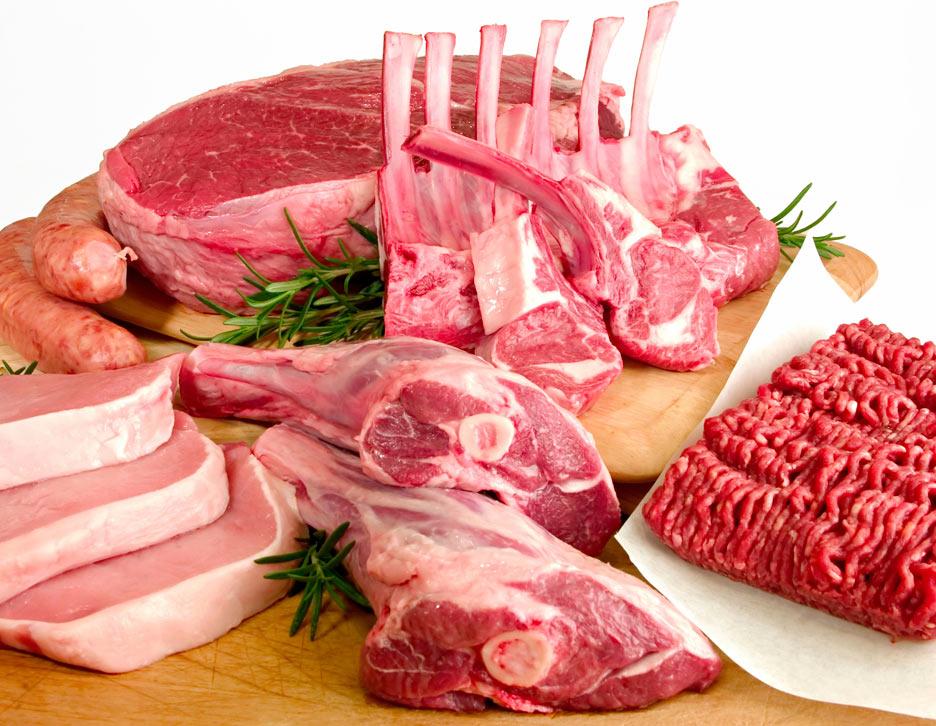
Red meat is a staple in many diets around the world, especially in African households where it plays a key role in traditional meals. From beef and goat meat to lamb, red meat is valued for its rich taste and high nutritional content.
However, with growing conversations about heart health, cholesterol, and chronic diseases, many people are asking: Is red meat healthy or harmful?
The truth is, red meat can be part of a healthy diet—when consumed in the right way and in the right amount.
Let’s break down everything you need to know to enjoy red meat while protecting your health.
What Is Red Meat?
Red meat refers to meat that comes from mammals. Common types include:
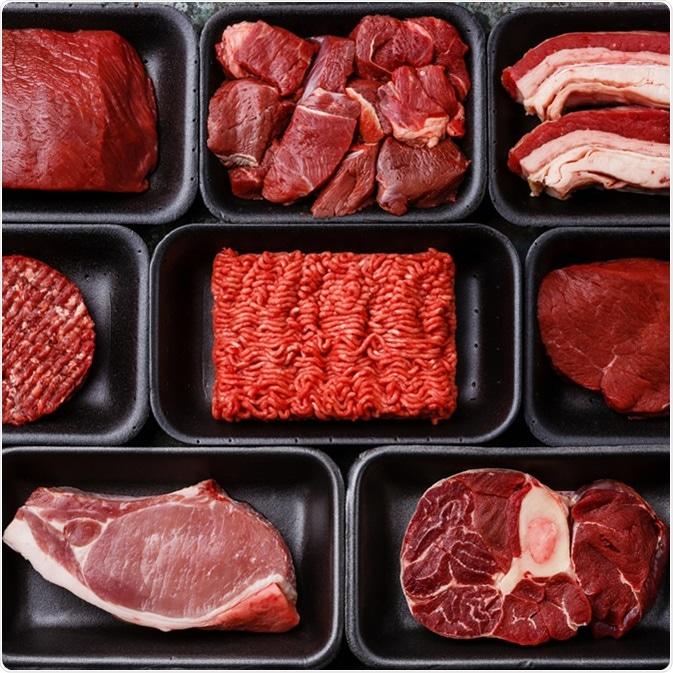
- Beef
- Goat meat
- Lamb
- Pork
These meats are called “red” because they contain higher amounts of myoglobin, a protein that gives them their darker color.
Nutritional Benefits of Red Meat
Red meat is a rich source of essential nutrients your body needs.
Key nutrients found in red meat:
- High-quality protein for muscle growth and repair
- Iron (heme iron) for healthy blood and preventing anemia
- Vitamin B12 for nerve function and energy production
- Zinc for immune health
- Creatine for muscle performance
For people with iron deficiency or increased protein needs, red meat can be especially beneficial
Health Concerns Linked to Red Meat
While red meat has benefits, excessive consumption—especially of processed and fatty cuts—may be linked to certain health risks.
Potential concerns:
- Increased risk of heart disease
- High cholesterol levels
- Increased risk of certain cancers (when heavily processed)
- Weight gain if consumed in excess
It’s important to note that how the meat is processed and cooked matters just as much as how much you eat.
Processed vs. Unprocessed Red Meat
Not all red meat is equal.
Processed red meat:
- Sausages
- Bacon
- Hot dogs
- Smoked meats
These often contain high amounts of:
- Salt
- Preservatives
- Unhealthy fats
Unprocessed red meat:
- Fresh beef
- Fresh goat meat
- Fresh lamb
These are generally healthier when prepared properly.
How to Eat Red Meat the Healthy Way
You don’t need to completely avoid red meat. Instead, focus on smarter choices.
1. Choose Lean Cuts
Opt for cuts with less visible fat.
Examples:
- Lean beef
- Goat meat (naturally leaner)
- Trimmed cuts
2. Control Portion Sizes
Moderation is key.
Recommended:
- About 70–100 grams per serving
- Limit to a few times per week
3. Use Healthy Cooking Methods
Avoid cooking methods that add excess fat.
Better options:
- Grilling
- Boiling
- Steaming
- Baking
Limit:
- Deep frying
- Burning or charring meat
4. Pair with Vegetables
Balance your plate with fiber-rich foods.
Healthy combinations:
- Meat + vegetables
- Meat + whole grains
- Meat + legumes
This helps improve digestion and supports heart health.
5. Reduce Processed Meat Intake
Limit consumption of:
- Sausages
- Bacon
- Smoked meats
These are often higher in sodium and preservatives.
Red Meat and Heart Health
Red meat can fit into a heart-healthy diet when eaten in moderation.
Tips for heart health:
- Choose lean cuts
- Avoid excess salt during cooking
- Combine with vegetables
- Maintain an active lifestyle
Balancing your diet is more important than eliminating a single food group.
Who Should Be Careful with Red Meat?
Some individuals may need to limit red meat intake:
- People with high cholesterol
- Individuals with heart disease
- Those with hypertension
- People advised by doctors to reduce saturated fat
Always follow professional medical advice if you have underlying health conditions.
Healthier Alternatives to Red Meat
If you want variety, consider these alternatives:
- Fish (rich in omega-3 fatty acids)
- Chicken (lean protein)
- Beans and lentils (plant-based protein)
- Eggs
- Nuts and seeds
Mixing different protein sources can improve overall nutrition.
Final Thoughts
Red meat is not the enemy—but like many foods, it should be consumed wisely.
By choosing lean cuts, controlling portions, and balancing your meals, you can enjoy red meat while supporting your long-term health.
A healthy plate is all about balance, variety, and moderation.
Disclaimer
This article is for informational purposes only and is not intended as medical advice. Dietary needs vary from person to person. If you have any health conditions such as heart disease, high cholesterol, or hypertension, consult a qualified healthcare professional before making changes to your diet.
Frequently Asked Questions (FAQs)
1. Is red meat bad for your health?
Red meat is not inherently bad. It can be part of a healthy diet when eaten in moderation and prepared properly.
2. How often should I eat red meat?
It is generally recommended to eat red meat a few times per week in moderate portions.
3. What is the healthiest red meat?
Lean cuts of beef and goat meat are considered healthier options due to lower fat content.
4. Is goat meat healthier than beef?
Goat meat is often leaner than beef and may be a better option for people watching fat intake.
5. Can red meat increase cholesterol?
Yes, consuming large amounts of fatty red meat may increase cholesterol levels.
6. Should I avoid red meat completely?
No. Most people do not need to completely avoid red meat unless advised by a healthcare provider.
7. What is the best way to cook red meat?
Grilling, boiling, steaming, and baking are healthier cooking methods compared to frying.