


Table of contents [Show]
- Introduction
- Why Your Heart Loves Nutrient-Rich Fruits
- Heart-Healthy Benefits of Avocado
- Mango: The Sweet Tropical Fruit That Supports Your Heart
- Heart-Healthy Benefits of Mango
- Why Eating Both Fruits Together Can Be Beneficial
- Delicious Ways to Eat Them Together
- Can Eating These Fruits Every Day Improve Heart Health?
- Things to Keep in Mind
- Mangoes
- Frequently Asked Questions
- Final Thoughts
Introduction
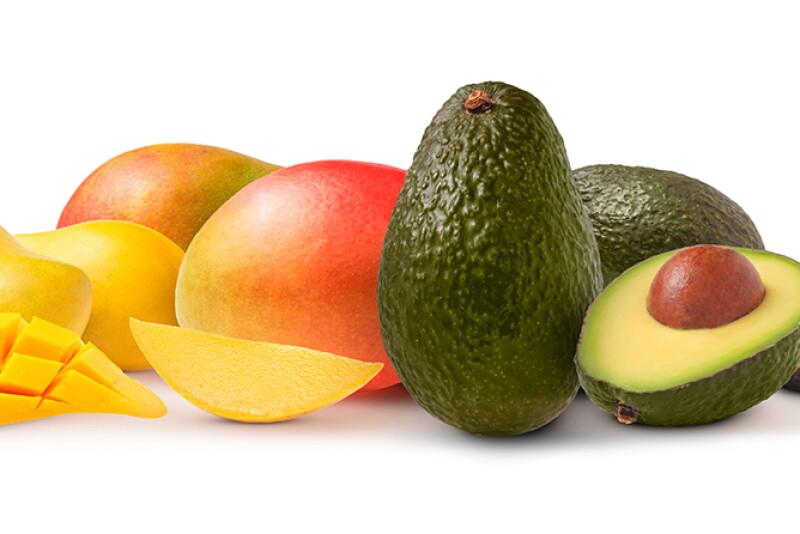
Heart disease remains one of the leading causes of death worldwide, making heart health a priority for people of all ages. While eating more fruits and vegetables is a well-known recommendation, two fruits often surprise people for their impressive heart-supporting benefits: avocados and mangoes.
Although avocados are technically fruits and mangoes are often associated with their sweetness rather than their nutritional value, both are packed with nutrients that can help support cardiovascular health when enjoyed as part of a balanced diet.
Let's explore why these two delicious fruits deserve a place on your plate.
Why Your Heart Loves Nutrient-Rich Fruits
A healthy heart depends on several lifestyle factors, including regular exercise, quality sleep, stress management, and a nutritious diet. Fruits contribute by providing:
- Dietary fiber
- Vitamins and minerals
- Antioxidants
- Natural plant compounds (phytochemicals)
- Potassium
- Healthy fats (in some fruits like avocado)
Together, these nutrients can help maintain healthy blood pressure, support cholesterol balance, reduce inflammation, and protect blood vessels from damage.
1. Avocado: The Creamy Superfruit for Your Heart
Avocados are unlike most fruits because they are rich in healthy fats instead of carbohydrates. Their creamy texture comes from monounsaturated fats, particularly oleic acid—the same heart-friendly fat found in olive oil.
Heart-Healthy Benefits of Avocado
Rich in Healthy Monounsaturated F
Monounsaturated fats may help:
- Reduce LDL ("bad") cholesterol
- Maintain HDL ("good") cholesterol
- Support healthy blood vessels
Replacing saturated fats with healthier unsaturated fats has been linked to improved heart health.
Excellent Source of Potassium
Many people think bananas are the potassium champions, but avocados actually provide even more potassium per serving.
Potassium helps:
- Regulate blood pressure
- Balance sodium levels
- Support proper muscle and heart function
Packed with Fiber
One avocado contains around 10 grams of fiber.
Fiber helps:
- Lower cholesterol
- Improve digestion
- Increase fullness
- Support healthy blood sugar levels
These benefits indirectly contribute to better cardiovascular health.
Loaded with Antioxidants
Avocados provide antioxidants like:
- Lutein
- Zeaxanthin
- Vitamin E
These compounds help protect cells from oxidative stress, which plays a role in heart disease.
Easy Ways to Enjoy Avocados Daily
- Spread on whole-grain toast
- Blend into smoothies
- Add to salads
- Mash into guacamole
- Slice into sandwiches
- Mix into grain bowls
Mango: The Sweet Tropical Fruit That Supports Your Heart
Because mangoes are naturally sweet, many people assume they're unhealthy. In reality, fresh mangoes are packed with nutrients that can support heart wellness.
Heart-Healthy Benefits of Mango
High in Vitamin C
Vitamin C acts as a powerful antioxidant that helps:
- Protect blood vessels
- Support collagen production
- Reduce oxidative damage
Healthy blood vessels are essential for proper circulation.
Rich in Potassium
Like avocados, mangoes contain potassium, which supports:
- Healthy blood pressure
- Proper heart rhythm
- Fluid balance
Good Source of Fiber
Fiber from mangoes helps:
- Lower cholesterol levels
- Improve digestive health
- Support healthy blood sugar
A fiber-rich diet is consistently associated with better heart health.
Contains Polyphenols
Mangoes are rich in natural plant compounds such as:
- Mangiferin
- Quercetin
- Catechins
- Gallic acid
Research suggests these antioxidants may help reduce inflammation and oxidative stress, two processes involved in cardiovascular disease.
Supports Healthy Weight
Despite their sweetness, mangoes can fit into a healthy diet when eaten in moderation. Their fiber and water content help increase satiety, making them a satisfying snack that may reduce overeating.
Maintaining a healthy weight is an important factor in reducing the risk of heart disease.
Why Eating Both Fruits Together Can Be Beneficial
Avocados and mangoes complement each other nutritionally.
| Avocado | Mango |
|---|---|
| Healthy fats | Vitamin C |
| Fiber | Fiber |
| Potassium | Potassium |
| Vitamin E | Antioxidants |
| Folate | Vitamin A |
Together, they provide a wide variety of nutrients that support cardiovascular wellness.
Delicious Ways to Eat Them Together
Try these heart-friendly combinations:
Tropical Smoothie

Blend together:
- ½ avocado
- 1 cup mango chunks
- Greek yogurt
- Spinach
- Unsweetened almond milk
Mango Avocado Salad

Combine:
- Mango cubes
- Avocado slices
- Mixed greens
- Cherry tomatoes
- Red onion
- Lime juice
- Olive oil
Salsa

Mix diced:
- Mango
- Avocado
- Tomatoes
- Cilantro
- Red onion
- Lime juice
Serve with grilled chicken or fish.
Can Eating These Fruits Every Day Improve Heart Health?
No single food can prevent heart disease. However, regularly eating nutrient-rich fruits like avocados and mangoes as part of an overall healthy eating pattern may contribute to:
- Better cholesterol levels
- Healthier blood pressure
- Reduced inflammation
- Improved blood vessel function
- Better weight management
- Increased intake of vitamins and antioxidants
Experts generally recommend emphasizing whole foods including fruits, vegetables, whole grains, legumes, nuts, seeds, and healthy fats are to support cardiovascular health.
Things to Keep in Mind
Although both fruits are healthy, moderation still matters.
Avocados
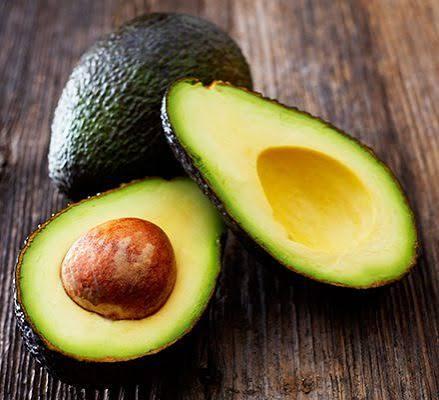
Because they are calorie-dense, stick to reasonable portions (about one-third to one-half of a medium avocado per serving, depending on your overall diet).
Mangoes

Enjoy fresh mangoes rather than dried or sweetened versions, which often contain added sugars or are easier to over consume.
If you have diabetes or another medical condition affecting blood sugar, talk with your healthcare provider or a registered dietitian about appropriate portion sizes.
Frequently Asked Questions
Is avocado really good for your heart?
Yes. Avocados provide heart-healthy monounsaturated fats, fiber, potassium, and antioxidants that support cardiovascular health when eaten as part of a balanced diet.
Can mango raise blood sugar?
Fresh mango contains natural sugars but also provides fiber, which helps slow sugar absorption. Moderate portions can fit into a healthy diet for many people.
Can I eat avocado and mango together?
Absolutely. They complement each other nutritionally and make delicious smoothies, salads, salsas, and snacks.
How often should I eat these fruits?
If they fit within your calorie needs and dietary preferences, enjoying avocado and mango regularly alongside a variety of other fruits and vegetables can be part of a heart-healthy eating pattern.
Final Thoughts
When it comes to supporting heart health, simple dietary choices can make a meaningful difference over time. Avocados offer healthy fats, fiber, and potassium, while mangoes provide vitamin C, antioxidants, and additional fiber. Together, they create a nutrient-packed combination that supports cardiovascular wellness.
Remember, no single fruit is a magic solution. The greatest benefits come from an overall healthy lifestyle that includes a balanced diet, regular physical activity, adequate sleep, stress management, and routine medical checkups. By making avocados and mangoes a regular part of your meals, you're taking a flavorful step toward nourishing your heart for the long term.